
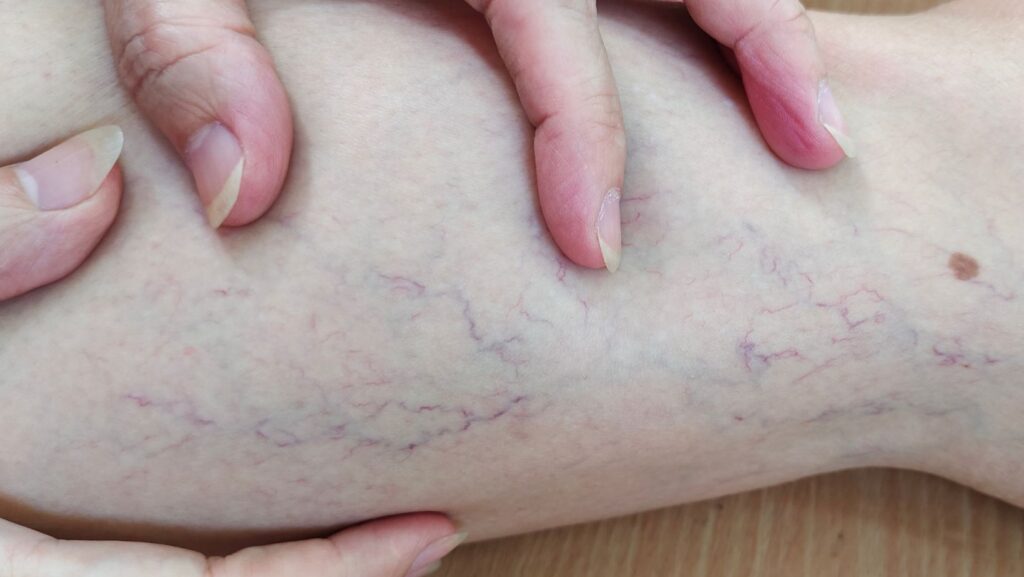
Varicose veins are more than just a cosmetic concern—they can signal underlying health issues and potentially lead to complications if left untreated. Metro Vein Centers provide guidance on navigating the wide range of treatment options available today, emphasizing both effectiveness and safety. In this text, we’ll explore the causes and symptoms of varicose veins, along with current and emerging treatments, helping us make informed decisions to maintain healthy, comfortable legs.
Understanding Varicose Veins
Varicose veins occur when veins become enlarged, dilated, and overfilled with blood. They often appear blue or dark purple, twisting and bulging out of the skin. Understanding their causes and symptoms is the first step toward effective treatment.
Causes and Symptoms of Varicose Veins
Several factors can contribute to the development of varicose veins, including genetics, hormonal changes, pregnancy, and prolonged standing or sitting. Common symptoms include:
- A heavy or aching feeling in the legs
- Swollen legs and ankles
- Itching around the affected veins
- Discoloration of the skin near the veins
Recognition of these symptoms can prompt early intervention, which is crucial for preventing further complications.
Risks and Complications Associated with Varicose Veins
While varicose veins may initially seem benign, they can lead to more severe complications, including:
- Chronic venous insufficiency: This occurs when the valves in the veins malfunction, leading to blood pooling and increased pressure.
- Ulcers and blood clots: These can form in the skin or deep veins, presenting serious health risks.
We must remain aware of these potential issues as we consider treatment options.
Current Treatment Options for Varicose Veins
When it comes to treating varicose veins, a variety of methods are available, ranging from conservative approaches to more invasive procedures.
Conservative Treatment Approaches
For those who experience mild symptoms, conservative treatments may provide relief. These include:
- Compression stockings: These specially designed garments help compress the leg veins, promoting better blood flow.
- Lifestyle changes: Incorporating regular exercise, maintaining a healthy weight, and elevating the legs can significantly alleviate symptoms.
- Dietary adjustments: A balanced diet rich in fiber and low in salt may help reduce swelling.
Minimally Invasive Procedures
For more pronounced varicose veins, we might consider minimally invasive options that offer quick recovery with minimal pain. These include:
- Sclerotherapy: Involves injecting a solution into the affected veins, causing them to collapse and fade from view.
- Endovenous Laser Therapy (EVLT): This technique uses laser energy to close off the problematic veins. Patients typically experience little downtime.
- Radiofrequency Ablation (RFA): Similar to EVLT but uses radiofrequency energy to target and close the veins.
Surgical Treatments for Advanced Cases
In cases where varicose veins are severe, surgical intervention may be necessary, such as:
- Ambulatory Phlebectomy: A less invasive technique where small veins are removed through tiny skin punctures. Patients typically experience minimal discomfort and a quick recovery.
Innovative Therapies on the Horizon
As our understanding of varicose veins evolves, so does the landscape of treatment options. Innovative therapies currently under research include:
- Gene therapy: This approach aims to correct the dysfunctional genes associated with vein health.
- New sclerosing agents: We are exploring new agents for sclerotherapy that may enhance the effectiveness and safety of treatment.
- Biomaterials for vein reconstruction: These materials could help the reconstruction of damaged veins.
Staying informed about these advancements will help us make better decisions about treatment.
Safety Considerations for Varicose Vein Treatments
When considering varicose vein treatments, safety should always be our priority. Here are some important factors to consider:
- Choosing a qualified specialist: Ensure that the provider is certified and experienced in treating varicose veins.
- Understanding potential side effects: Familiarize ourselves with the risks associated with each treatment option. Common side effects may include bruising, swelling, or temporary pain.
- Following pre-and post-treatment guidelines: Adhering to the advice given by our healthcare provider can significantly minimize complications.
Post-Treatment Care and Recovery Strategies
Post-treatment care is essential to promote recovery and prevent recurrence. We should focus on:
- Wearing compression garments: Continued use can aid in recovery and enhance circulation.
- Engaging in light activity: Gentle walking can improve circulation and reduce blood pooling.
- Monitoring symptoms: Keeping an eye on any unusual symptoms can help catch potential issues early.
By taking these steps, we can better ensure a smooth recovery process.
Conclusion
Exploring modern treatments for varicose veins reveals a range of effective options, from conservative strategies to innovative procedures. As we consider these treatments, it’s vital to prioritize safety by choosing qualified professionals and adhering to post-treatment care. By doing so, we can significantly improve our vein health and overall quality of life. If you’re struggling with varicose veins, don’t hesitate to consult a specialist to find the best treatment tailored to your needs.