

Every cosmetologist reaches a point in their career, usually late at night, licence renewal form half-filled, and Continuing Education (CE) deadline looming, where they ask the following question. “Is continuing education actually important, or is it just another pointless statutory requirement?”
The honest answer to this question is Yes! Still, this doesn’t take away the fact that CE can feel repetitive, rushed, boring, and even disconnected from real salon life. But if you pause for a moment and look at how fast this industry moves, then you will understand that this is far more than bureaucratic hoop-jumping. Here’s what you want to know about this.
What CE Is Supposed to Do
In a perfect world, continuing education is supposed to keep you current. From learning new chemical formulations and updated sanitation standards to understanding the shifts in skin science, there is a lot you want to keep up with in such a rapidly shifting industry.
So, in a real sense, top-rated continuing education classes for cosmetologists from renowned providers like RocketCert actually do help. However, not all providers offer top-quality courses, which is where the inconsistency and ineffectiveness come in.
Ergo, courses that should have genuinely expanded your thinking will feel like recycled slideshows just designed to meet the minimum credit hours requirement. When gaps between intention and execution become quite obvious, it’s only natural for any sober-minded stylist to grow cynical.
The Regulatory Reality
What most cosmetologists must understand, despite the inconsistencies that exist in the world of continuing education, is that CE is still mandatory. The main reason for this is that cosmetology directly affects public health. Think about the risk of chemical burns, allergic reactions, traction alopecia, infections, and many others. The same principle applies across all licensed healthcare professions — dental professionals, for example, are required to complete dental continuing education courses on an ongoing basis to maintain licensure, ensuring patient safety standards keep pace with evolving techniques and materials.
Regulators, therefore, have to act with the priority of consumer safety and liability reduction. Their main interest is to ensure that professionals:
- Stay aligned with updated product safety standards
- Understand evolving sanitation and disinfection protocols
- Recognise contraindications and skin or scalp disorders
So, don’t think that the health departments and licensing boards are being inconsiderate and unreasonable when they require you to complete those 4-16 hours of CE every two years.
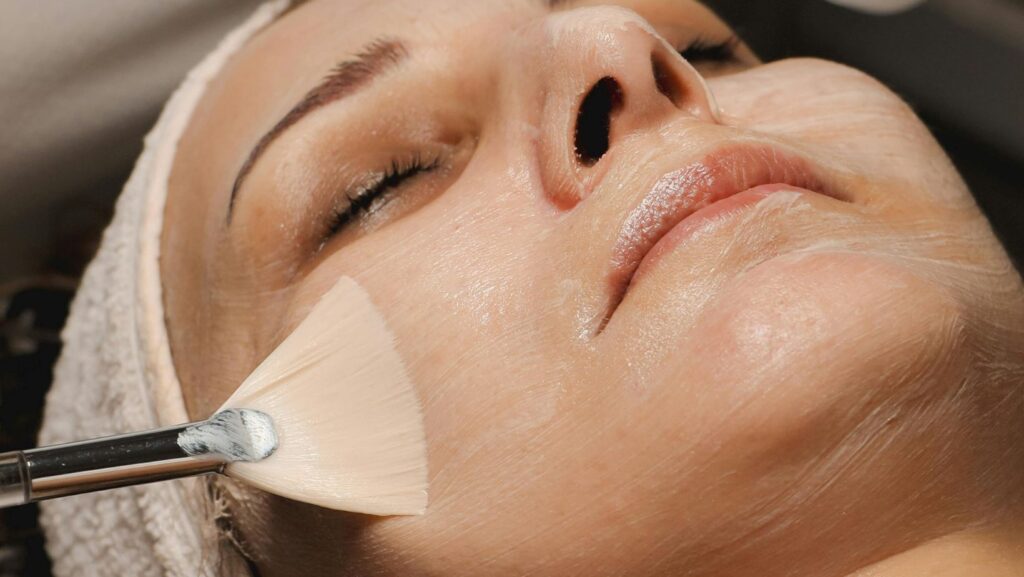
Conquering an Industry That Moves Faster Than Ever Before
You also want to think about CE from the point of view of the unpredictable changes that exist in the cosmetology industry. Remember that your pre-licensing education only prepares you to tackle the industry at that moment. So, if any changes come up, you more than likely won’t be ready for them.
To understand this, consider just how much this field has changed in the past few years. From how skin barrier science has transformed facial treatments to how clean beauty claims are forcing deeper ingredient literacy, there really is a lot to keep up with.
The problem is that none of this information is guaranteed to reach you organically, especially if you work in a small salon, specialise narrowly, or rely on brand reps for education. In these cases, CE becomes the only structured mechanism ensuring you won’t quietly fall behind.
So, Is CE Important That Much?
If you ask us, CE is actually essential. However, not all CE is worth your time. The best continuing education is the one that leaves you curious to know. It is the course that you finish, and you immediately feel like you’re just fresh out of cosmetology school, with new knowledge, ideas, and perspective.
This is why you must invest in courses that are written and enhanced by experts, such as the ones RocketCert offers. With such courses, the real question stops being whether CE matters and becomes whether it is sharpening your judgement and protecting your career.