
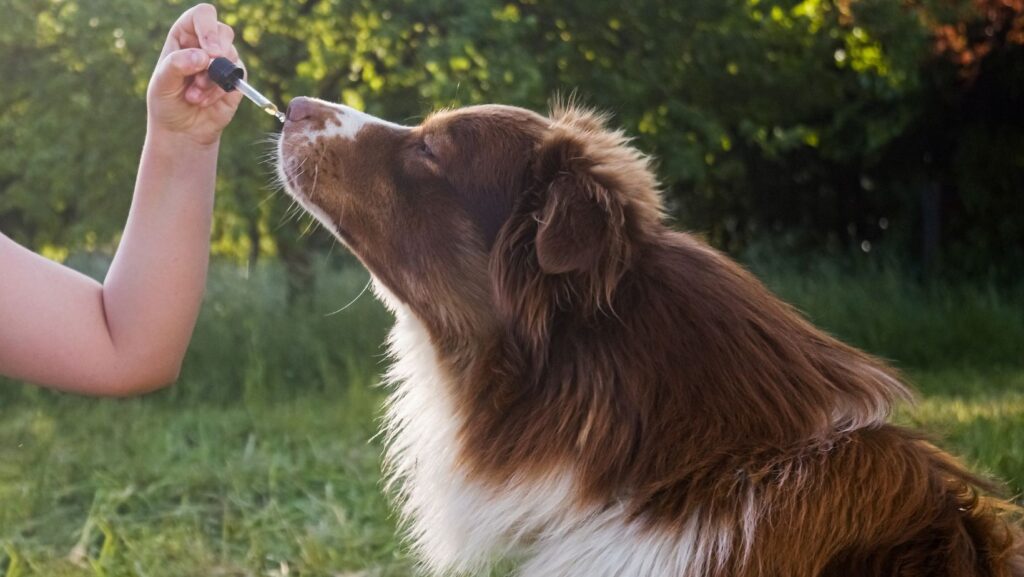
Many pet owners explore natural options that support their animals’ comfort and calm behavior. One of the questions that arises is how long CBD takes to show noticeable effects. The time varies depending on several factors such as product type, body size, and general health condition. Understanding these details helps create realistic expectations when introducing new supplements to pets.
When using CBD pet products, steady routines and careful observation matter. Each pet processes supplements differently, depending on digestion rate, diet, and body chemistry. Paying attention to their habits and reactions provides insight into how the supplement interacts with their system.
How CBD Works In The Pet’s Body
CBD connects with a system in the body called the endocannabinoid system, which helps maintain normal internal functions. This system contains receptors that play a part in regulating balance across various body processes. Once CBD enters the body, it interacts with these receptors and begins its path through the system.
The compound’s route determines how quickly effects appear. Oils enter the body faster because they are absorbed through tissues under the tongue, while tablets and capsules move through the digestive tract first. The absorption rate influences how soon a pet may show any response.
Factors Affecting How Fast CBD Works
Several elements shape how quickly CBD acts. Product form is one of the most important factors. Oils and tinctures tend to absorb faster, while chews and treats generally take more time to move through digestion.
Pet-specific traits also influence timing. Size, metabolism, and overall condition play significant roles. A pet’s hydration level, feeding schedule, and physical activity can also affect how efficiently it moves through the body.
Typical Timeframe For Results
The time frame for noticing results can vary widely. Some pets may show mild responses within an hour, while others might take several days of consistent use. This variation depends on factors like metabolism and how regularly the product is administered.
A consistent schedule supports a better understanding of timing. Tracking when and how much product is given allows patterns to become clear over time. This observation helps identify whether adjustments in routine are necessary.
Different Product Types And Their Speeds
Each product form functions differently within a pet’s system. Oils usually enter the bloodstream faster when placed under the tongue. Edible forms such as treats or capsules require digestion first, so they may act more gradually.
Topical options focus on external application and target specific areas. They remain limited to the area where they are used. Choosing between oils, edibles, or topicals depends on convenience and what suits the animal’s daily routine.
Signs That CBD Is Working
Observation remains the best way to recognize any change. Pets may display shifts in mood, activity level, or appetite. Some may appear more at ease during daily interactions or show steady patterns in behavior.
Keeping track of these shifts offers useful feedback. Recording times, dosages, and reactions allows for adjustments based on visible patterns. A consistent routine helps clarify whether the chosen approach suits the pet’s needs.
Adjust Dosage And Setting Expectations
Each pet requires a tailored approach. Starting with a small amount and increasing gradually helps determine the right level. Watching reactions closely ensures that the chosen amount fits the pet’s size and health.
A veterinarian familiar with CBD use for animals can provide suitable guidance. They can assess the pet’s health and recommend an appropriate plan. Following professional advice ensures the approach remains safe and structured.
The time needed for CBD pet products to show effects depends on several factors, such as product form, dosage, and consistency. When pet owners follow proper routines and seek expert guidance, they create a reliable foundation for understanding how these products interact with their pets’ systems.