
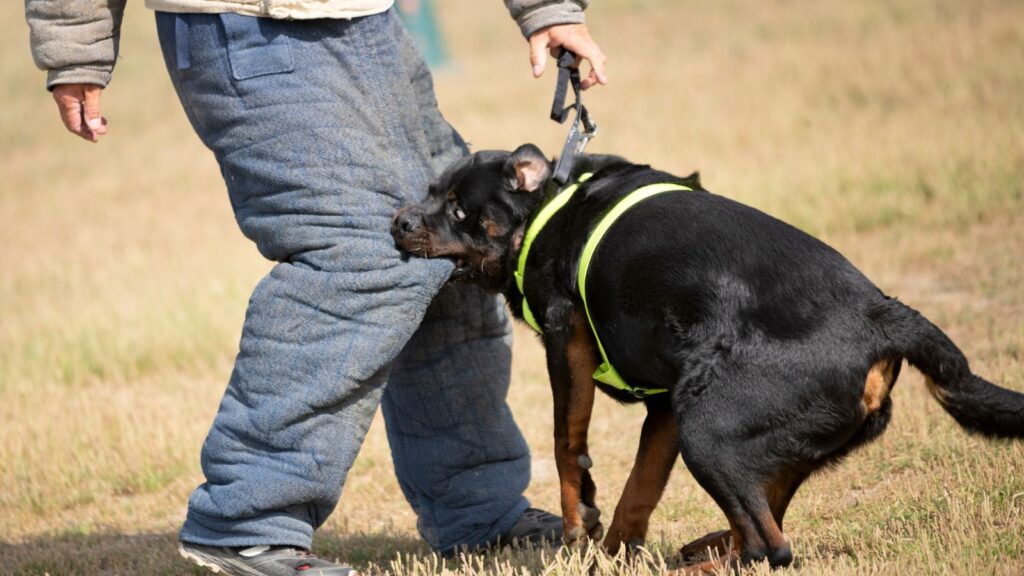
Dog attacks in public spaces are among the most traumatic personal injury events a person can experience. A bite or knockdown in a park, on a sidewalk, or outside a retail establishment can cause severe physical injuries, lasting psychological harm, and financial consequences extending well beyond emergency treatment. Despite their frequency, many victims are unaware of the legal protections available or assume the attack was unavoidable.
Ohio has one of the most clearly defined dog bite liability frameworks in the country, and victims of public place attacks have meaningful legal rights. Consulting a knowledgeable Cincinnati dog bite lawyer after an attack ensures those rights are protected from the earliest stages of the claims process.
Ohio’s Strict Liability Standard for Dog Bites
Ohio operates under a strict liability framework for dog bite injuries, meaning a dog owner can be held responsible without the victim needing to prove negligence or prior dangerous tendencies. Under Ohio Revised Code Section 955.28, a dog owner is liable for any injury, death, or loss caused by their dog, provided the victim was not trespassing, was not committing a criminal offense, and did not provoke the attack.
This standard is particularly significant in public place attacks because it removes the so-called one-bite rule used in other states, which shields owners from liability if they had no prior knowledge of their dog’s aggression. In Ohio, prior knowledge is irrelevant. A first-time bite in a public park carries the same legal consequences as an attack by a dog with a documented history of aggression, making the path to compensation considerably more straightforward.
What Qualifies as a Public Place Under Ohio Law
Ohio’s dog bite statute applies to attacks in public places as well as on private property where the victim had a legal right to be. Public places encompass parks, sidewalks, trails, parking lots, shopping centers, outdoor dining areas, and any space open to general public access. The key legal question is whether the victim was lawfully present at the time of the attack.
This requirement is almost always satisfied in public place attacks, as individuals walking on sidewalks, visiting parks, or patronizing businesses are unambiguously within their legal right to be there. Complications can arise in quasi-public spaces like privately owned shopping centers, but in practice, these are treated similarly for purposes of dog bite liability.
The Role of Leash Laws and Local Ordinances
Local leash laws and municipal ordinances can play a significant role in establishing liability for public place attacks. Most Cincinnati-area municipalities require dogs to be leashed in public, and a violation at the time of an attack may create enhanced liability — both because the violation establishes negligence per se and because it demonstrates a failure to take legally required precautions.
Leash law violations are particularly relevant when the dog was running loose, escaped from an inadequately secured vehicle, or was otherwise unrestrained where restraint was required. Documentation through witness testimony, surveillance footage, or the animal control officer’s report strengthens the case significantly. Victims should request copies of all animal control reports generated in connection with the attack.
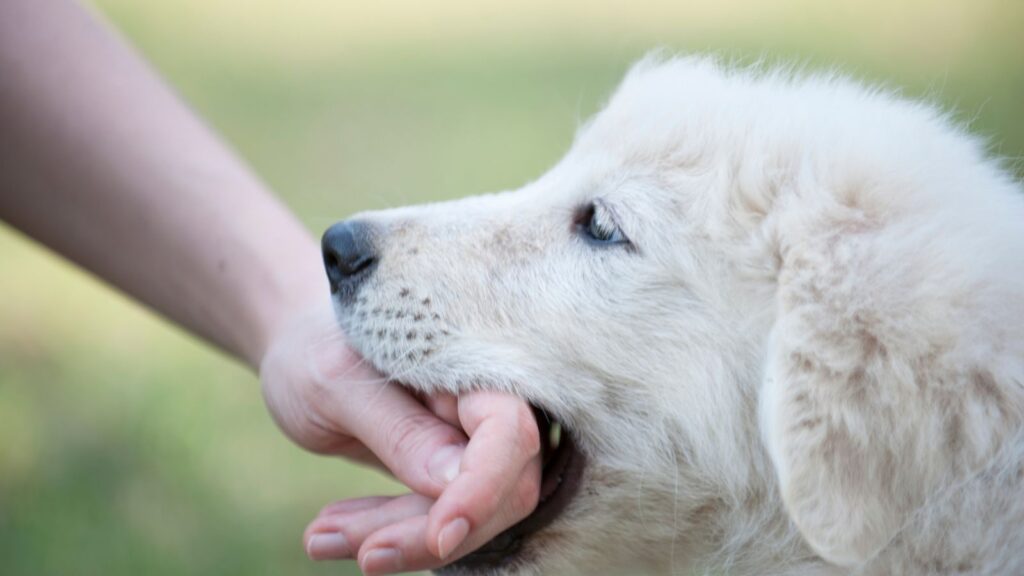
Injuries Beyond Bites — Knockdowns and Jumping Attacks
Ohio’s dog bite statute is not limited to injuries caused by a dog’s teeth. The law covers injuries caused by a dog’s actions more broadly, meaning victims knocked down or jumped on — even without being bitten — are entitled to the same protections. This is particularly important in cases involving large dogs that knock elderly victims to the ground or jump on children with enough force to cause serious harm.
Knockdown injuries can be just as severe as bite wounds, and the psychological impact is not diminished by the absence of puncture wounds. Victims should document injuries with the same thoroughness as bite victims — including prompt medical attention, photographs, and records of subsequent treatment. Insurers sometimes attempt to minimize these claims because no bite occurred, and complete documentation counters that argument effectively.
Identifying the Responsible Parties
In most public place attacks, the responsible party is the dog’s owner — but identification is not always straightforward. Dogs that attack in public are sometimes unleashed and unaccompanied, and in other cases, the dog may be with a walker or family member, raising questions about whether responsibility lies with the owner, the handler, or both.
Ohio law generally holds the owner liable regardless of who was handling the dog, but practical recovery depends on identifying the owner and determining whether they carry insurance that covers dog bite claims. Victims should obtain the owner’s or handler’s contact information, photograph the dog, and report the attack to animal control immediately. Animal control records can be invaluable in identifying owners and establishing prior aggression history.
Damages Available to Dog Bite Victims in Ohio
Ohio dog bite victims may recover compensation for both financial losses and personal harm caused by the attack.
- Economic Damages: Medical bills, surgery, therapy, lost wages, and future treatment costs.
- Scarring and Disfigurement: Additional compensation for permanent, visible injuries.
- Pain and Suffering: Physical pain and the overall impact of the injury.
- Emotional Harm: Anxiety, PTSD, fear of dogs, and trauma related to public spaces.
- Child Victim Harm: Children often face especially serious long-term psychological effects.
- Punitive Damages: May apply in cases involving reckless conduct or ordinance violations.
In serious cases, non-economic damages can make up a large part of the claim.
Steps to Take Immediately After a Public Place Dog Attack
The actions taken in the hours following an attack can significantly affect the strength and value of the legal claim. Victims should seek medical attention immediately, even when injuries appear minor, to protect their health and create a documented record linking the attack to the injuries sustained.
At the scene, victims should gather as much information as possible — the owner’s or handler’s contact details, the dog’s breed and description, witness names and contact information, and photographs of the location, the dog, and all visible injuries. Reporting to animal control creates an official record and may produce additional documentation useful to the claim. Contacting an experienced dog bite attorney promptly ensures that evidence is preserved, deadlines are respected, and the claim receives the strategic attention it deserves from the beginning.