
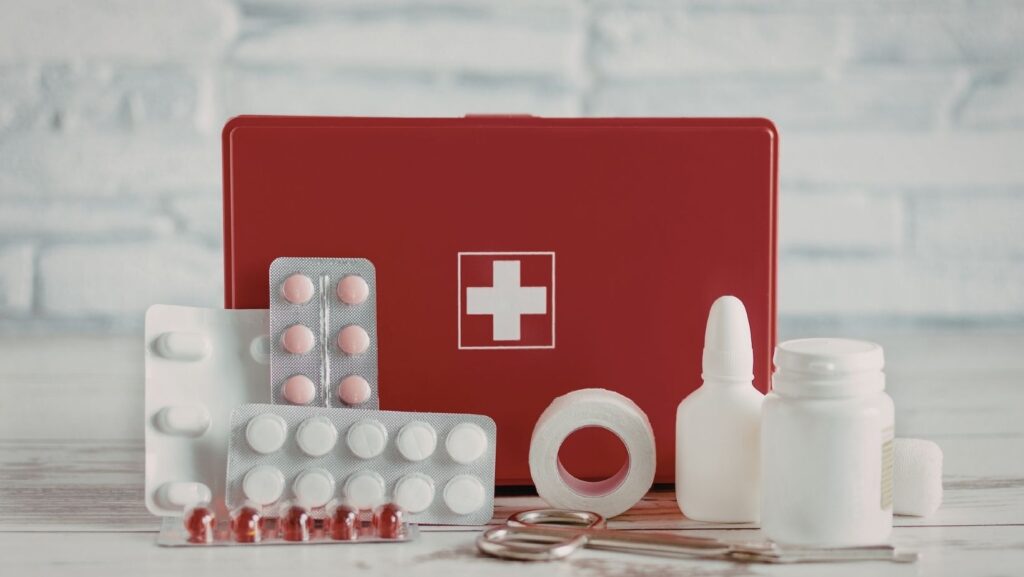
Traveling with the family usually starts with a vision of a quiet highway and a sunset at the destination. The reality? It’s often a mix of “are we there yet,” spilled juice, and the inevitable scraped knee at a rest stop. You spend weeks picking the right Airbnb or mapping out the best hiking trails, but the medical kit often gets tossed together ten minutes before you pull out of the driveway. That’s a mistake. A big one.
The goal here isn’t just to be prepared for a disaster. It’s about managing the small, annoying stuff so they don’t turn into trip-enders. If you’ve ever had to hunt for an open pharmacy in a rural town at 2:00 AM because your toddler has a sudden fever, you know exactly what I mean. It’s stressful. It’s expensive. It’s avoidable.
The Foundation of Your Travel Kit
Most people buy those pre-packaged plastic boxes from the big-box stores. They’re fine for a basic office setting, maybe. For a family on a road trip, they are usually filled with fifty tiny bandages you’ll never use and zero of the stuff you actually need. You want a kit that reflects how your family actually lives.
Start with a soft-sided bag. Why? Because hard cases crack and they don’t squeeze into a packed trunk very well. You need something with internal compartments. Organization is your best friend when you’re digging for an antiseptic wipe in the dark.
The Essentials List
- Various bandage sizes: Focus on the “extra large” ones. Kids always seem to skin their entire shin, not just a tiny spot.
- Medical tape and gauze: For the wounds that a standard sticker won’t cover.
- Antiseptic spray: It’s easier than wipes and doesn’t sting as much; a major win for parents.
- Tweezers: Ticks, splinters, or even just a stubborn piece of glass in a shoe.
- Digital thermometer: Because “feeling their forehead” is never accurate enough when you’re deciding if you should turn the car around.
Smart Planning for the Medicine Cabinet
The real power of a first aid kit lies in the liquids and pills, not just the fabric strips. This is where most travelers get caught off guard. We assume we can just “pick something up” if someone gets a headache or an upset stomach. But have you looked at the prices in a hotel gift shop or a gas station recently? They know you’re desperate. They charge accordingly.
Managing your budget while keeping the family healthy requires a bit of foresight. It is much smarter to source your supplies ahead of time from a reliable place. Buying affordable medicines online allows you to stock up on the high-quality basics without the steep markup of physical retail stores. You can find everything from children’s fever reducers to adult pain relief and allergy meds. Having these already packed means you aren’t paying a premium for a single-dose packet at a rest stop. It keeps the trip moving and keeps your wallet intact.
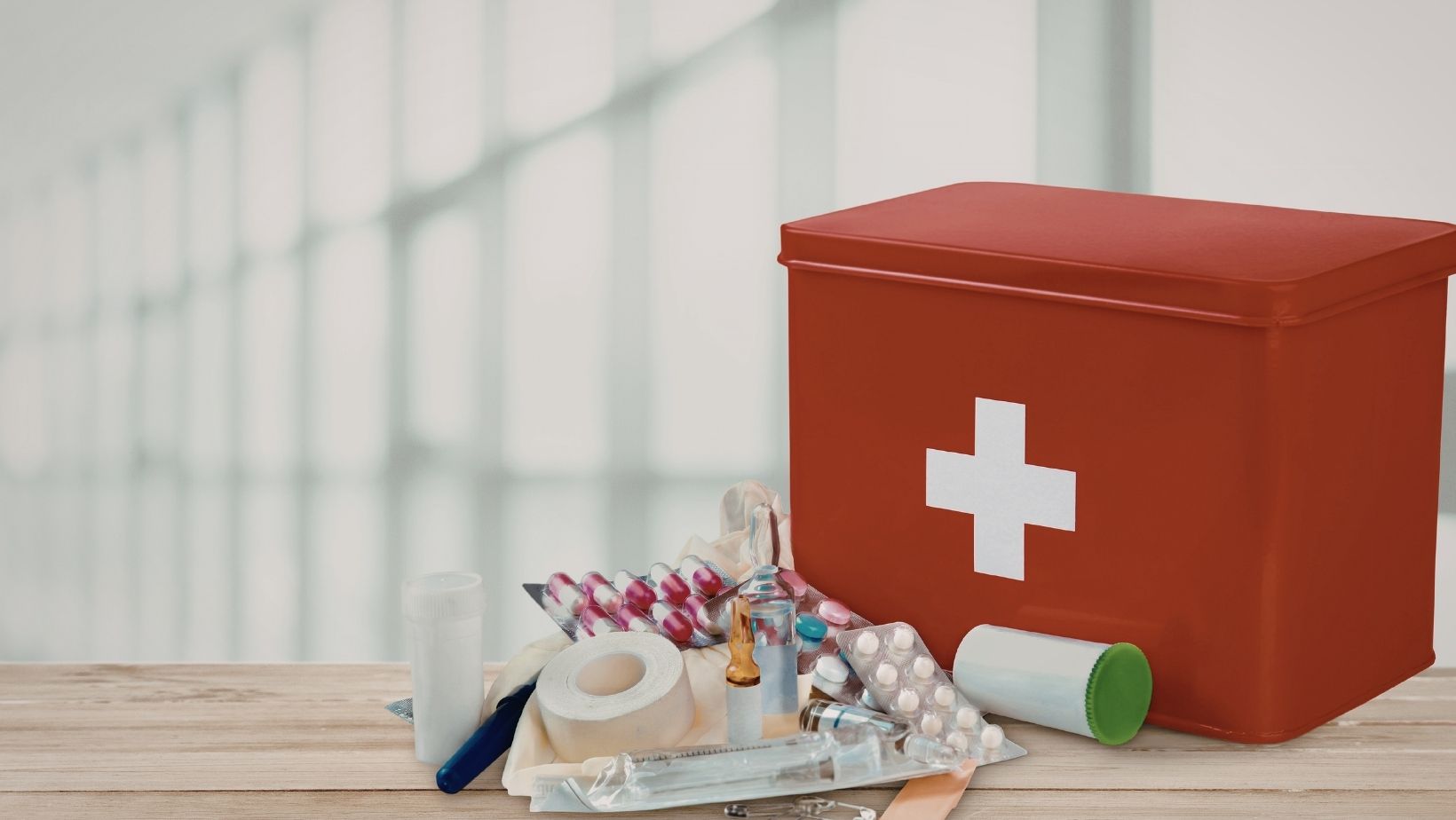
Think about the specific needs of your destination too. If you’re headed to the mountains, pack extra ibuprofen for altitude headaches. If it’s the beach, you need high-grade aloe and perhaps some hydrocortisone for sand rashes. The kit should be a living thing; it changes based on where the GPS is pointing.
Dealing with the Unexpected Digestive Issues
No one wants to talk about it, but travel does weird things to the gut. Different water, greasy roadside burgers, and long hours sitting in a car seat can lead to trouble. You need a “tummy section” in your kit.
Include both anti-diarrheal medication and something for constipation. It sounds contradictory, but travel tends to swing the pendulum in both directions. For the kids, chewable electrolytes are a lifesaver. Dehydration happens fast, especially if they get a touch of food poisoning or heat exhaustion. These tablets weigh almost nothing and can be dropped into a water bottle to save the day.
Allergic Reactions and Skin Irritations
Allergies are the ultimate wild card. You might be fine at home, but three states away, the local pollen is different. Or maybe a “pet friendly” hotel room wasn’t cleaned as well as you hoped.
Always carry an antihistamine. I usually pack both a non-drowsy version for the daytime and something stronger for the night if an itch is keeping someone awake. Don’t forget the topical stuff either. Calamine lotion or a good itch-relief cream can prevent a minor bug bite from becoming a giant, inflamed mess because a frustrated six-year-old couldn’t stop scratching it.
The Importance of the “Comfort” Items
A first aid kit doesn’t have to be strictly clinical. Sometimes the “aid” is more about morale than medicine. I always tuck a few lollipops or small stickers into the side pocket. When a kid is crying because they fell on the pavement, the sugar and the distraction do more work than the bandage does.
Also, consider a small LED flashlight. Your phone light is okay, but a dedicated light that you can hold in your teeth while using both hands to clean a wound is much better. Hand sanitizer is a given, but get the stuff that doesn’t smell like a distillery; it makes the experience slightly less clinical and scary for the little ones.
Final Organization and Maintenance
Once you have the gear, don’t just shove it under the seat and forget it. Every six months, you need to open that bag. Check the expiration dates. Liquids leak. Ointments dry up. Medicines lose their potency over time.
Keep a small card inside the kit with your family’s basic info:
- Emergency contact numbers.
- Any known allergies (penicillin, latex, etc.).
- Weight-based dosages for the kids’ meds.
That last one is vital. In the middle of the night, when you’re tired and stressed, you don’t want to be doing math to figure out how many milliliters of acetaminophen the baby needs. Write it down. Make it easy for your future, stressed-out self.
A great kit is about control. You can’t control the traffic, the weather, or the fact that the “scenic overlook” is actually a construction site. But you can control how you react to a fever or a scraped knee. You can keep the vibe of the vacation positive. Pack the kit, put it in an accessible spot—not at the very bottom of the luggage pile—and then go enjoy the road. You’ve got this covered.