
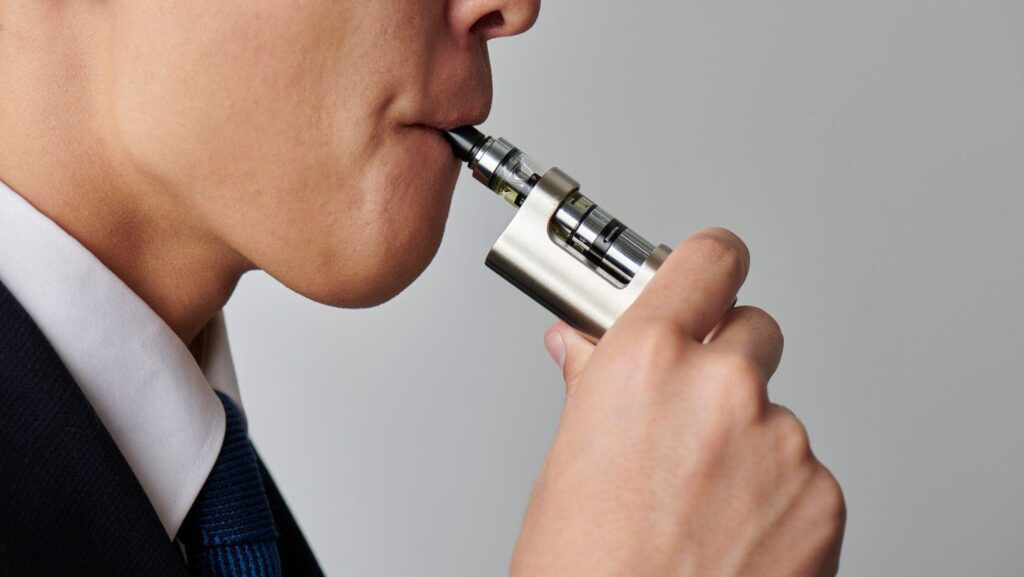
New vape enthusiasts often prioritize selecting a device and learning its operation but consistent care is equally significant. A device is susceptible to leaks, material accumulation, battery malfunctions or changes in function when a user neglects proper care. Identifying these frequent issues helps a user recognize when a device requires attention and prevents avoidable damage.
E-Liquid Leaks
E-liquid escaping from a device is a frequent maintenance concern. Leaks are possible when a tank or pod is assembled incorrectly, a seal is broken or the device is in an environment that affects its parts. Leaving spilled liquid on the device causes the mouthpiece, connections and nearby surfaces to become coated in a viscous film.
Frequent inspections of the tank, pod, seals and connection points help a user identify problems early. Any visible liquid is best cleaned according to the manufacturer’s instructions and a user should replace damaged parts instead of continuing to use them – these actions ensure the device remains easy to grip and operate.
Dirty Connections
Residue often accumulates at the contact points between a pod, tank or cartridge and the base unit – this buildup is a barrier to electrical contact and causes the device to function inconsistently. A new user might incorrectly attribute this issue to a failing battery or a broken device.
Maintaining clean and dry connection areas is a vital part of a routine. Every user should follow specific cleaning protocols and keep liquid away from internal electronic sections. Inspecting the device during every pod or tank change prevents residue from building up over time.
Worn Coils
Coils are internal heating elements that require periodic replacement. A coil that is past its functional lifespan results in a bitter taste or reduced vapor production. Using a component that is clearly exhausted leads to an inconsistent experience.
Beginners are encouraged to learn the manufacturer’s timeline for coil replacement and the indicators that a part is no longer functional. Ensuring that replacement parts are specific to the model is also necessary. Because an online vape store offers many variations, verifying compatibility before a purchase is essential.
Battery Maintenance
Battery safety is a primary concern for those learning to maintain a device. Every device is safest when charged and stored according to the provided manual, away from high temperatures or moisture.
A user should also look for physical dents or tears on the battery casing. Charging cables are required to be compatible with the device. If a battery feels excessively hot, appears swollen or shows physical damage, it is no longer safe for use. Following safety protocols is mandatory because improper battery handling creates significant hazards.
Mouthpiece Buildup
The mouthpiece collects debris through regular use and requires periodic cleaning. Buildup is often visible and more common when a user operates the device frequently. Since the mouthpiece is the point of physical contact with the user, maintaining its cleanliness is a fundamental habit.
Users should clean this part using only the methods approved by the manufacturer. Soaking components in unapproved liquids or chemicals is discouraged. If a mouthpiece has cracks or structural damage, a new part is more effective than a repair.
Replacing Damaged Components
Certain maintenance issues are not solvable – cleaning – A cracked pod, a broken tank or a flattened seal requires a replacement part. Continuing to operate a device with visible damage causes further technical failures.
Verification of part compatibility is necessary when purchasing replacements – this rule is also applicable when customers buy disposable vapes online, as they must follow age verification and product specifications. Selecting genuine parts is more reliable than using components that only appear to fit.
Developing A Maintenance Routine
Small problems are easier to manage when a user identifies them early through regular inspections. A brief check of the connections, mouthpiece and exterior surfaces reveals residue or damage before the device stops working.
Maintenance steps are required to align with the manufacturer’s documentation because every device has unique construction requirements. New users who establish these habits lower technical problems and understand when a device requires professional repair or new parts.
Conclusion
Vape maintenance is more comprehensive than cleaning the outer shell. Dirty contacts, old coils, battery issues and mouthpiece debris are common challenges. Learning to identify the issues and following official instructions helps a user maintain a device responsibly and know when a part is no longer safe to use.