
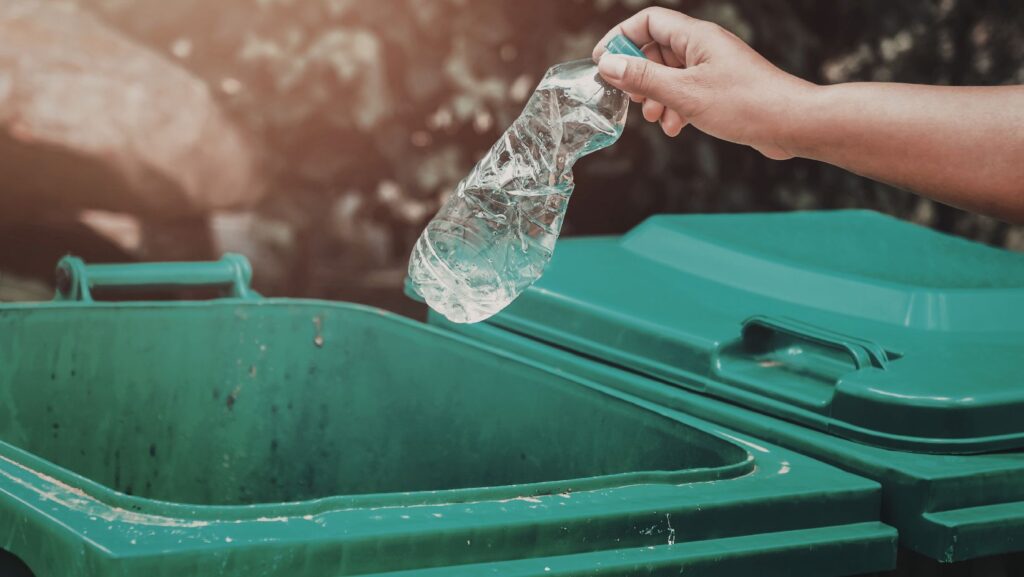
Why Waste Management Deserves More Attention
Most households deal with waste in the same way. Fill the bin, take it out, and forget about it. While this may seem fine on the surface, it often leads to unnecessary waste, clutter, and missed opportunities to save money or reuse materials.
Waste management is not just about getting rid of rubbish. It is about how you handle resources from the moment they enter your home to the moment they leave it.
Taking a more thoughtful approach does not require major effort, but it does require a shift in awareness.
Understand What You Are Throwing Away
A good starting point is to pay attention to what actually ends up in your bin. Over a few days, you will begin to notice patterns.
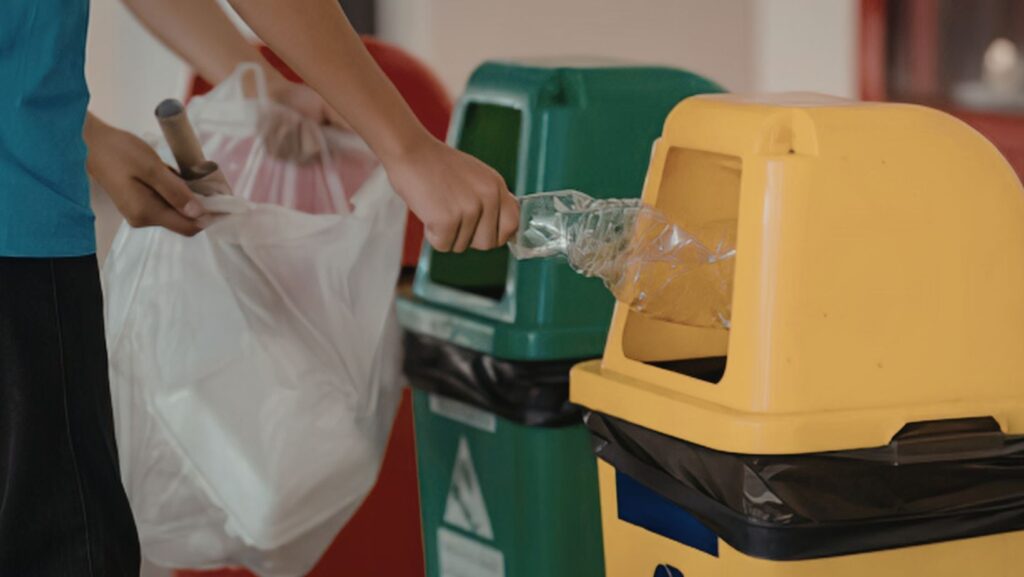
You might see a large amount of food waste, excessive packaging, or items that could have been reused. This simple observation helps you identify where the biggest improvements can be made.
Without this awareness, it is easy to continue habits that create unnecessary waste.
Set Up a System That Works for You
One of the reasons people struggle with waste management is that their system is not convenient. If it feels like extra work, it will not last.
Create a simple setup with clearly defined spaces for general waste, recycling, and organic waste. Keep bins within easy reach so that sorting happens naturally.
Labelling bins can also help, especially in households with multiple people. When the system is clear, everyone is more likely to follow it.
The goal is to make waste management as easy as possible.
Reduce Waste During Everyday Activities
Waste is often created during routine activities like shopping, cooking, and cleaning. Small adjustments in these areas can have a big impact.
When shopping, choose products with less packaging or opt for reusable alternatives. In the kitchen, plan meals and store food properly to avoid spoilage.
Even cleaning habits can change. Using reusable cloths instead of disposable wipes reduces waste without adding effort.
These changes do not feel significant on their own, but over time they make a noticeable difference.
Manage Large Amounts of Waste Efficiently
There are times when regular bins are not enough. Home renovations, garden projects, or major clean-outs can generate large volumes of waste very quickly.
In these situations, using a service like skip hire can be a practical solution. Having a dedicated container allows you to manage waste in one place and have it removed efficiently.
This approach saves time and prevents waste from piling up around your home.
Build Better Habits Around Reuse
One of the simplest ways to reduce waste is to reuse items whenever possible. This does not require creativity or special skills. It simply requires a change in mindset.
Instead of immediately throwing something away, pause and consider if it has another use. Containers, packaging, and even old household items can often serve a second purpose.
Over time, this habit reduces the amount of waste you produce and helps you get more value from the things you already have.
Stay Consistent Without Overthinking It
A common mistake is trying to do everything perfectly from the start. This usually leads to frustration and giving up.
A better approach is to focus on consistency. Pick one or two changes and stick with them. Once they become part of your routine, add another.
Waste management works best when it is simple and repeatable. It should fit into your life rather than feel like an extra task.
Final Thoughts
Waste management at home is not about strict rules or complicated systems. It is about making small, practical changes that are easy to maintain.
Pay attention to your habits. Set up a system that works. Reduce, reuse, and manage waste in a way that feels natural.
With time, these actions become second nature and lead to a cleaner home and a more efficient way of living.