
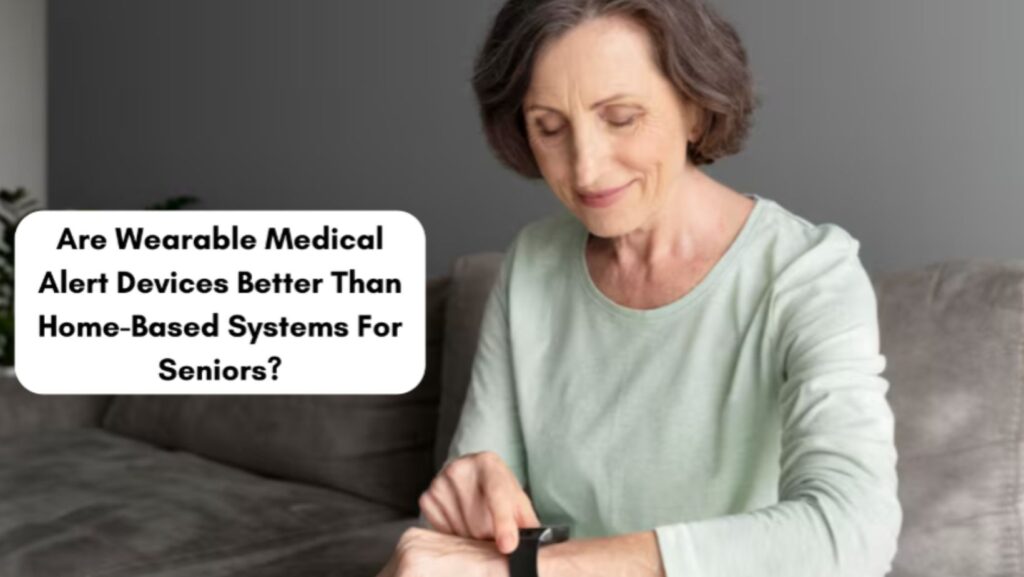
Most seniors like their independence. However, remaining independent may have its own silent dangers. Even a mere fall, a flash of weakness, or a sudden illness becomes much more serious when no one is around to provide assistance. Such possibilities can be a heavy burden on families, particularly in the case where an elderly loved one resides alone or spends much time traveling between various locations throughout the day.
That said, medical alert systems were developed to remove these concerns with a quick and sure way to get help during an emergency. In the course of time, these systems have developed from simple home-based systems to more adaptable systems that fit in various lifestyles.
Wearable medical alert devices have recently attracted attention due to their ability to accompany seniors everywhere. Rather than providing a localized protection through a single room or other indoor areas, wearables can provide assistance in their day-to-day activities–gardening, meeting friends, or even getting a breath of air.

Being aware of the differences between wearable and home-based systems, families can now choose a solution that will actually help them maintain their safety and independence.
What Modern Wearable Medical Alert Systems Typically Offer?
Modern wearable seniors’ personal medical alert systems are designed with one simple purpose: to connect older adults quickly to help when they need it most. These systems stay with the user at all times — whether they are at home, running errands, taking a walk, or visiting friends.
Most wearable devices include:
- An easy-to-press help button for instant connection to trained emergency responders.
- Automatic fall detection, which can alert the monitoring center even if the user is unable to press a button.
- GPS tracking enables responders to locate the senior outdoors or in unfamiliar areas.
- Mobile connectivity, so the device works beyond the home and across different locations.
These features make wearable medical alert devices a flexible safety solution. They ensure seniors remain protected in their everyday routines — giving both users and their families greater peace of mind.
How Home-Based Medical Alert Systems Work?
Home-based medical alert systems are developed with a fixed base unit stored within the house. The elderly usually have a pendant or wrist button that connects with this base. Upon pressing the button, the base unit gets in touch with the monitoring center and seeks assistance.

The strengths of this design are easy to understand:
- Are extremely simple to use and require minimal learning.
- Do not need charging or constant maintenance.
- Provide reliable indoor coverage.
- Are comfortable for seniors who rarely leave home or prefer uncomplicated technology.
These systems may be sufficient in the case of seniors who lead a predominantly homebound lifestyle or those who are recovering due to medical conditions.
Key Differences That Influence Which System is Better
Knowing the differences between wearable and home-based systems can simplify the selection of such a solution that suits the daily pattern and safety requirements of a senior. The following are the most significant aspects that determine the degree to which each system can be effective in real life.
1. Mobility and Lifestyle
Mobility is the most meaningful distinction. Wearable systems support seniors at home and outside, while home-based systems provide safety only within a fixed range.
For seniors who still enjoy getting out of the house, wearables align more naturally with their routines and reduce periods where they are unprotected.
2. Ease of Use
Home-based systems win in simplicity. There is almost nothing a user must remember.
Wearables require slightly more engagement, but modern designs have made them lightweight, water-resistant, and intuitive enough for everyday use.
3. Emergency Response
Both systems create quick access to help, yet wearable systems add extra layers such as automatic fall alerts and location data. This can reduce response time significantly, especially in outdoor or unfamiliar environments.
4. Comfort and Reliability
Some seniors find wearable devices comfortable and reassuring, while others prefer the unobtrusiveness of a stationary system.

Ultimately, comfort influences how consistently a device will actually be used, which directly impacts safety.
Important Considerations Before Choosing a System
When evaluating any medical alert solution, it helps to think beyond features and consider how a senior actually lives:
- Will they remember to wear and charge a device?
- Do they spend time outdoors?
- Are they comfortable with wearable accessories?
- Do they need location tracking?
- What is their fall risk?
- How easy is the device to operate in real emergencies?
Technology works best when it fits naturally into daily routines rather than feeling like additional effort.

Emergencies among seniors aren’t limited to falls. A National Center for Health Statistics Data Brief shows that older adults—particularly those with Alzheimer’s or cognitive conditions—often need urgent care due to confusion, infections, or sudden health changes. This underscores the importance of having fast access to trained support in any situation.
Bottomline
Wearable medical alert devices often provide broader and more flexible protection compared to home-based systems. Their ability to follow seniors wherever they go, combined with automatic fall detection and GPS location support, makes them particularly suited to modern, active lifestyles.
Home-based systems still hold value for seniors who spend most of their time indoors and prefer a simple, low-maintenance setup.
The question is not which system is universally better, but which one fits a senior’s lifestyle, comfort, and safety needs.
When a senior uses a system consistently and feels confident with it, technology stops being just a device and becomes an everyday partner in independence and peace of mind.