

Keeping a home running smoothly is already a full-time job, especially for busy parents juggling work, school schedules, and everything in between. It’s easy to focus on what’s happening inside the house while small exterior issues quietly build up. These problems often start out minor but can grow into expensive repairs if left unattended. Paying attention early can save both time and stress later on.
The outside of your home acts as the first line of defense against weather, moisture, and daily wear. Even small cracks, loose panels, or worn materials can allow bigger issues to develop over time. When these signs are overlooked, they can affect not just the structure of your home but also your comfort inside it. Knowing what to watch for makes it easier to stay ahead of problems.
Why Small Exterior Issues Add Up Quickly
What looks like a minor issue today can turn into a much larger repair tomorrow. A small gap or damaged section on your home’s exterior can let in moisture, which often leads to rot, mold, or insulation problems. Once those issues spread, repairs become more time-consuming and disruptive to your daily routine. That’s why catching things early is so important.
Siding is a good example of something that often gets ignored until it’s too late. A loose or cracked panel might not seem urgent, but it can expose the layers underneath to the elements. Many homeowners don’t realize that timely siding repair helps maintain both the structure and energy efficiency of the home. When handled early, these fixes are usually straightforward and far less costly.
Small exterior problems also tend to overlap with other parts of the home. Moisture that gets in through damaged siding can affect walls, flooring, and even indoor air quality. What starts as a simple repair outside can quickly become an indoor issue that disrupts your family’s routine. Staying proactive helps prevent that chain reaction.
Common Exterior Problems Parents Often Miss
Busy households tend to focus on immediate needs, so subtle exterior issues can slip by unnoticed. These problems often don’t seem urgent until they suddenly become unavoidable. Taking a few minutes to check around your home every so often can make a big difference. It helps you catch early warning signs before they escalate.
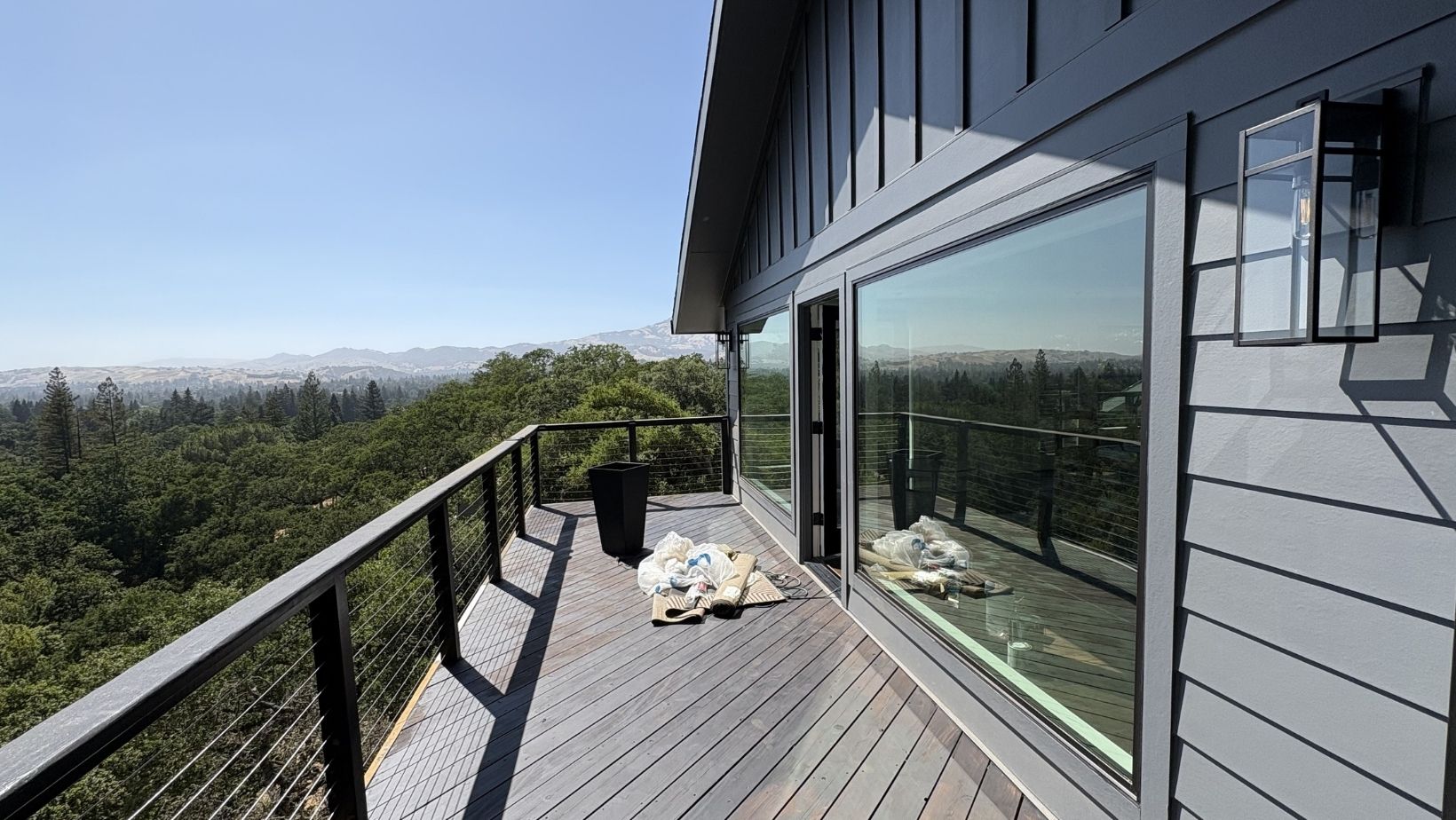
Here are some of the most common issues homeowners overlook:
- Small cracks or gaps in siding or trim
- Loose or missing panels after storms
- Peeling paint or discoloration
- Warped or buckling materials
- Soft spots that indicate moisture damage
These signs might seem minor at first glance, but they often point to deeper concerns. Ignoring them can lead to structural damage or higher repair costs later. Keeping an eye out for these changes helps you stay in control of your home’s condition.
Another reason these problems go unnoticed is that they develop gradually. You see your home every day, so small changes are easy to miss. That’s why it helps to occasionally take a step back and look at the bigger picture. Even a quick walk around your property can reveal issues you didn’t notice before.
Seasonal Changes Can Make Things Worse
Weather plays a major role in how quickly exterior problems develop. Heat, cold, rain, and wind all put stress on your home’s outer surfaces. Materials expand and contract with temperature changes, which can worsen small cracks or loosen already weak areas. Over time, this constant movement adds up.
Winter and spring are especially tough on home exteriors. Snow and ice can trap moisture against surfaces, while spring rain can seep into any openings. If siding or trim is already compromised, these conditions accelerate the damage. What might have been a simple fix in the fall can turn into a larger issue by spring.
Summer brings its own challenges as well. Intense sunlight can fade and weaken materials, while heat can cause warping or expansion. These seasonal shifts highlight why regular checks matter throughout the year. Addressing small issues before extreme weather hits can prevent bigger headaches.
Simple Ways to Stay Ahead of Exterior Repairs
Staying on top of exterior maintenance doesn’t have to be overwhelming. A few simple habits can help you catch problems early without adding much to your routine. The key is consistency and knowing where to look. Even small efforts can go a long way in preventing larger repairs.
Here are a few practical ways to stay ahead:
- Walk around your home at least once each season
- Check siding and trim after major storms
- Look for changes in color, shape, or texture
- Pay attention to drafts or moisture inside the home
- Schedule occasional professional inspections
These steps don’t take much time, but they can help you spot issues before they grow. Making them part of your routine keeps your home in better shape year-round. It also gives you peace of mind knowing you’re staying ahead of potential problems.
It’s also helpful to involve the whole family when possible. Kids can point out things they notice while playing outside, and it turns maintenance into a shared responsibility. Keeping your home safe and well-maintained doesn’t have to fall on one person alone. A little awareness from everyone can make a big difference.
When It’s Time to Take Action
Knowing when to move from observation to action is just as important as spotting problems. If you notice damage that’s spreading, worsening, or affecting multiple areas, it’s usually time to address it. Waiting too long can turn a manageable repair into a more complex project. Acting early helps keep things simple.
Some issues are easy to fix on your own, but others benefit from professional attention. Exterior repairs often involve materials and techniques that require experience to handle properly. Bringing in help at the right time can prevent mistakes and ensure the job is done correctly. It also saves time for families with busy schedules.
Taking care of small exterior problems isn’t just about avoiding costs. It’s about maintaining a safe, comfortable space for your family. When your home is in good condition, it supports your daily life instead of adding unexpected stress. Staying proactive keeps everything running a little more smoothly.