

Hair loss affects many women, but it is rarely talked about. Most conversations about hair transplants focus on men. That leaves many women unsure about their options and what results really look like.
This article is a practical look at female hair transplants. It explains what they are, why women choose them, and how the process fits into real life.
By the end, you will have a grounded understanding of what to expect and how to decide if this treatment feels right for you.
Why Hair Loss Matters for Women
Hair is often tied to personal identity and confidence. When hair thins or falls out, everyday life can start to feel different.
Women experience hair loss for many reasons, including:
- Hormonal changes
- Stress
- Genetics
- Medical treatments
- Aging
Hair loss is not a reflection of worth or beauty. But it can affect how you feel in social settings, at work, and in the mirror.
For many women, a hair transplant is not about vanity. It is about reclaiming comfort and confidence.
What a Hair Transplant Actually Is
A hair transplant is a medical procedure that moves hair from one part of the scalp to another. The goal is to fill in areas where hair has thinned.
There are different techniques, but the basic idea is the same. Healthy hair is relocated to areas that need density.
This is not a quick fix, and it is not a mask or temporary cover. It is a change that aims to grow and stay.
If you are curious about real results and lifestyle impact, explore options like female hair transplant to understand what outcomes feel like in daily life.
How It Feels Before the Treatment
Deciding to explore a hair transplant often starts with questions. Many women want to know:
- Will it look natural
- How much time it takes
- What the recovery is like
- If it fits into their routines
These are practical questions, not superficial ones. A good provider will answer them clearly and without pressure.
Preparing for the procedure often includes mapping out where hair should be placed and discussing realistic outcomes. The goal is clarity, not promises.
The Treatment Day
On the day of the procedure, most women describe the experience as focused rather than dramatic. It is medical and professional. It does not feel like a salon visit.
Local anesthesia is used, so discomfort is minimal. The provider works in a calm, measured way. The goal is precision and balance.
A hair transplant is not instantaneous transformation. It is a careful adjustment that unfolds over time.
What Happens After the Procedure
Right after the treatment, the scalp may feel tender or sensitive. This is normal. Healing begins quickly.
There will be care instructions to follow. These are practical steps that help the transplanted hair settle and grow.
Most women return to light activity within a few days. More vigorous exercise may wait a little longer. The timeline is steady rather than sudden.
What Growth Looks Like in Real Life
Hair growth happens gradually. New strands do not sprout overnight. Instead, you notice fullness over weeks and months.
Expectations matter. Results take time, and patience helps. Most women report that new growth blends with existing hair naturally. It feels familiar and balanced.
This is what many people are looking for. Not a dramatic shift. Not attention. Just hair that feels like it belongs to them.
How It Fits Into Your Routine
One of the biggest questions women ask is how a hair transplant affects everyday life.
The short answer is this:
- The procedure itself is a block of time.
- Recovery is planned but manageable.
- Long term, hair care returns to normal.
You do not have to overhaul your routine. You do not have to adopt a new identity. The change is gradual and lived-in.
Red Flags and What to Ask
Before booking a procedure, it helps to know what to watch for. A good provider should offer:
- Clear explanations of risks and benefits
- Real before and after examples
- Honest timelines
- No pressure to decide on the spot
Some questions you might ask include:
- How long has the clinic been doing this work
- What results past clients have seen
- What support is offered during recovery
Answers should feel straightforward. If they feel vague, it is okay to pause and reassess.
Why Women Choose Hair Transplants
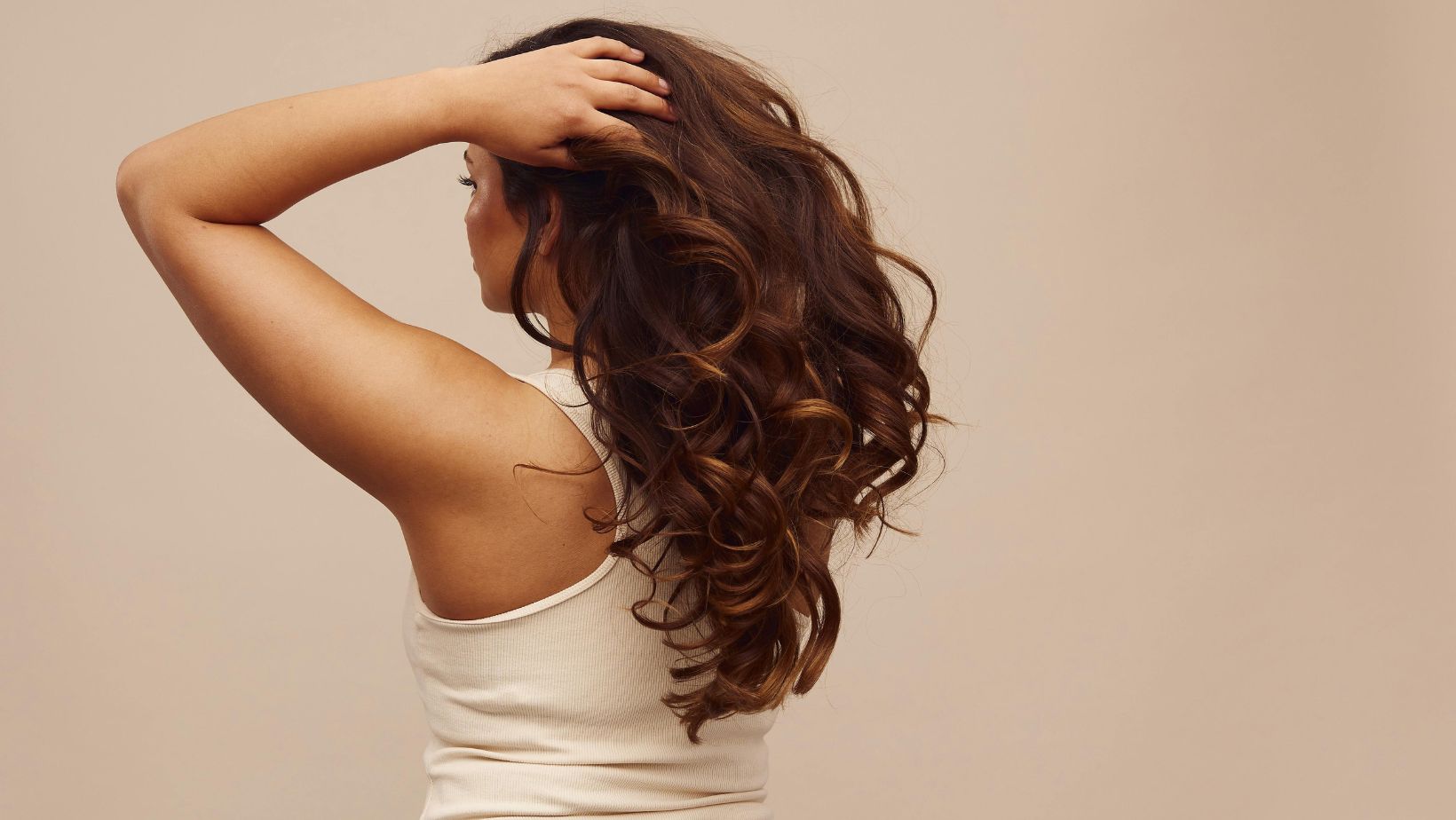
Each woman’s reason is personal.
For some, it is about feeling more like themselves again. For others, it is about removing a daily concern. Some want their hair to match how they feel on the inside.
A hair transplant is not about perfection. It is about reducing the tension between how you see yourself and how you appear in the world.
Final Thoughts
Hair transplants for women are practical and real. They are not about drastic change. They are about balance, growth, and everyday life.
The best outcomes feel natural. They do not draw attention to themselves. They simply allow women to move through life with one fewer concern.
If you are thinking about a female hair transplant, take time to understand what it means for your routine, your expectations, and your goals. The right choice should feel like a step forward, not a leap.