
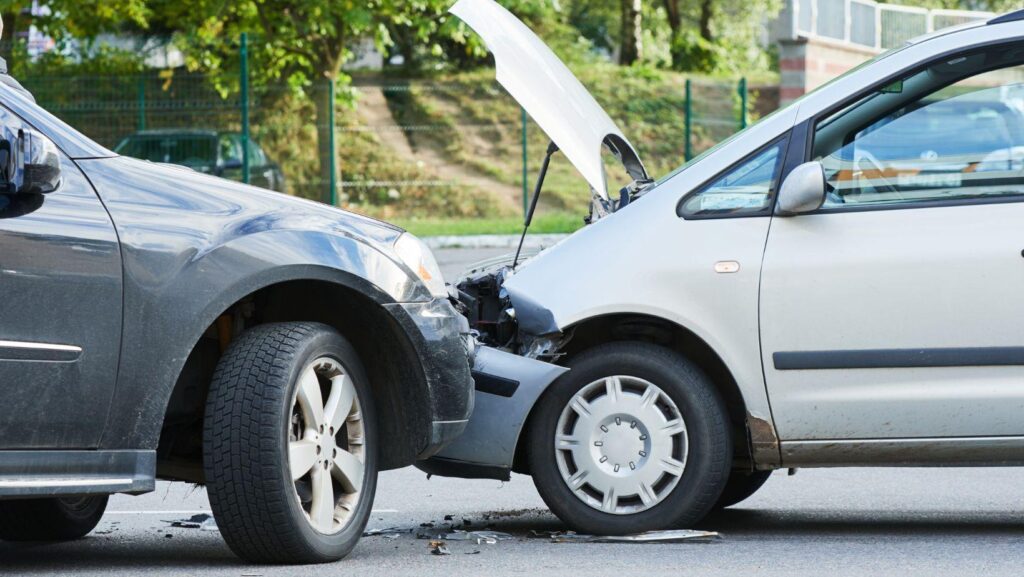
Rideshare crashes can be complicated, especially during major events, busy weekends, or nightlife hours. These situations often lead to insurance disputes because the roads are crowded and drivers may be rushing. Factors like congestion, road closures, and last-minute drop-offs make it hard to determine who caused the crash.
Injuries can be more severe, and there may be more witnesses and insurance companies involved. Additionally, longer working hours for rideshare drivers can lead to fatigue and mistakes. If you were injured in a rideshare crash during a busy time, Jacoby & Meyers Accident & Injury Lawyers can help clarify who is responsible, identify coverage, and build a strong claim to ensure you receive your compensation.
Event Traffic Creates Unpredictable Driving Conditions
Large events change normal traffic flow. Roads may be blocked, lanes may be temporarily redirected, and drivers unfamiliar with the area may make sudden turns or stops. Rideshare drivers often have to navigate these conditions while watching GPS directions, searching for pick-up points, and dealing with impatient passengers.
When a crash happens in these settings, fault becomes harder to prove because drivers often argue they were forced into unsafe maneuvers by traffic conditions. Congestion can also make it difficult to determine which vehicle struck first or whether someone cut off another driver, creating more room for dispute.
Weekend Driving Increases Risky Behavior On The Road
Weekends often mean more nightlife traffic, more impaired drivers, and more aggressive driving. People may speed, run red lights, or make unsafe lane changes—especially late at night. Rideshare vehicles are everywhere during these times, picking up and dropping off passengers in busy areas where drivers frequently stop unexpectedly.
Insurance disputes become bigger because the risk factors multiply. More drivers are making poor decisions, and crashes often involve multiple contributing causes. The rideshare driver may blame another vehicle, that vehicle may blame the rideshare driver, and insurers may argue over which policy should apply first.
Rideshare Drivers Often Work Longer Hours During Surges
Events and weekends are high-earning times for rideshare drivers. Many drivers stay on the road for extended hours to take advantage of surge pricing. While working longer can increase income, it can also increase fatigue. Fatigued driving slows reaction time, reduces attention, and increases the chance of mistakes.
Fatigue-related crashes can be harder to prove because there isn’t always obvious evidence like a DUI test. But crash patterns—late braking, drifting, misjudged lane changes—can suggest exhaustion. If a driver was overworked or violating safe work practices, it may become part of the liability dispute.
Passenger Behavior Can Create Dangerous Distractions
During events and weekends, passengers are often excited, distracted, or intoxicated. They may talk loudly, request sudden stops, change destinations, or pressure the driver to speed up. Some passengers may even distract drivers by reaching forward, touching the driver’s seat, or arguing over drop-off points.
Disputes arise when the rideshare driver claims passenger behavior contributed to the crash. While passengers generally aren’t at fault for being passengers, insurers may still try to use these details to complicate liability. They may argue the driver was not solely responsible because the situation was chaotic or the passenger caused distraction.
Pick-Up And Drop-Off Zones Are High-Risk Crash Areas
Many event-related rideshare crashes occur during pick-ups and drop-offs. Drivers may stop suddenly, double park, block traffic lanes, or pull into bike lanes. Other drivers may become impatient and swerve around stopped rideshare cars, leading to sideswipes, rear-end collisions, or pedestrian impacts.
These crashes often create disputes because rideshare drivers may claim they had to stop quickly, while other drivers argue the stop was unsafe. Video footage, witness statements, and roadway markings become important to determine whether the rideshare driver stopped legally or created a hazard.
Coverage Disputes Are More Common During Busy Times
Rideshare insurance depends heavily on whether the driver was logged into the app, actively accepting a ride, en route to pick up a passenger, or transporting passengers. During events and weekends, drivers may switch between these “periods” rapidly, accept multiple rides, or toggle the app on and off.
That makes coverage disputes more common. An insurer may claim the driver was not in an active trip phase, which can reduce available coverage. The rideshare company, the driver’s personal insurer, and other drivers’ insurers may argue over who should pay, delaying the claim while victims wait.
Multiple Injuries And Multiple Claims Can Increase Conflict
Event and weekend crashes often involve multiple passengers, multiple vehicles, or crowded areas where pedestrians may also be injured. When multiple people file claims, policy limits can become an issue. Even if each passenger has a separate claim, everyone may be drawing from the same insurance coverage pool.
This creates negotiation pressure. Insurers may push for quick settlements or attempt global resolution, sometimes offering low amounts to limit payouts. When injuries are severe, disputes grow larger because the money available may not fully cover everyone’s damages, leading to aggressive defense strategies.
Strong Evidence Matters More When Chaos Creates Confusion
Because event and weekend crashes often occur in chaotic settings, evidence becomes especially important. Police reports help establish baseline facts, but surveillance footage, dashcams, and witness statements often make the biggest difference. The more crowded the environment, the more likely someone captured the crash on video.
Medical records also matter because insurers may argue injuries were caused by something else, especially if alcohol was involved or if multiple impacts occurred. The stronger and more organized the evidence, the harder it becomes for insurers to delay or deny responsibility.
Events And Weekends Make Rideshare Crashes Harder To Resolve
Rideshare crashes during events and weekends often trigger bigger disputes because the environment is more chaotic, the risks are higher, and liability is harder to untangle. Heavy traffic, fatigue, passenger distraction, unsafe pick-ups, and multiple insurance policies all create opportunities for insurers to argue fault or delay coverage.
If you’re injured in one of these crashes, the key is to document everything early and pursue evidence before it disappears. The sooner you build a clear timeline and preserve proof, the easier it becomes to hold the right parties accountable and protect your right to fair compensation.