
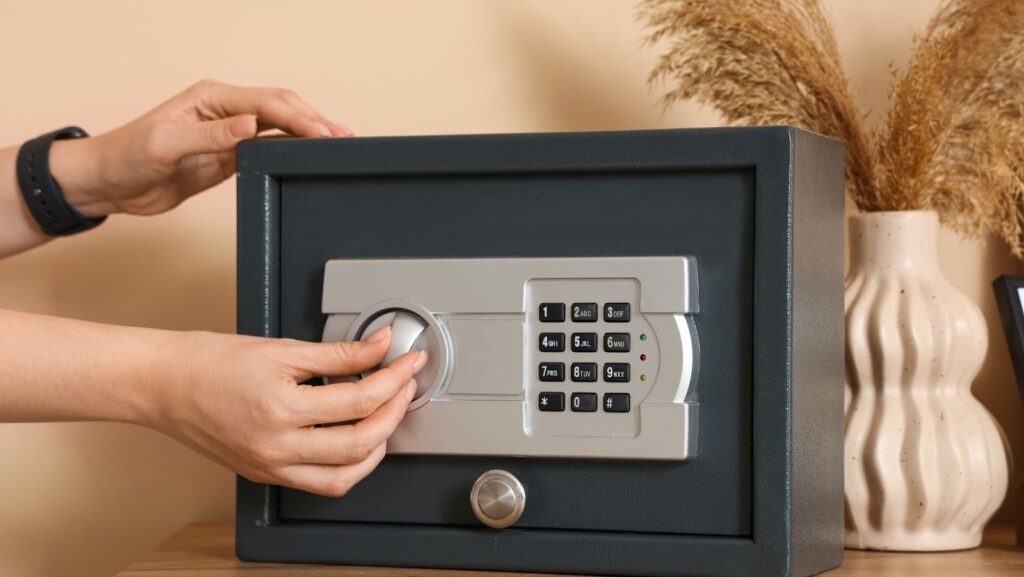
Home is where families should feel most secure. However, keeping your home safe requires more than locking your doors and windows. Criminal activity, accidents, and other hazards can happen anywhere, making proactive measures essential.
Here’s what families need to know to ensure their homes remain safe havens.
Secure Entrances and Exits
The most basic yet often overlooked step in home safety is ensuring that all entry points are secure. High-quality deadbolts, reinforced door frames, and secure window locks are critical. Don’t forget less obvious entrances like garages, basements, and sliding doors. Even a small opening can become an easy target for intruders. Families should also consider smart locks or video doorbells that allow remote monitoring, adding an extra layer of security and peace of mind.
Install Effective Lighting
Proper lighting can deter potential intruders. Well-lit exteriors, motion-sensor lights, and illuminated pathways not only improve safety but also make your property less appealing to trespassers. Interior lighting is equally important; leaving lights on when you’re away or using timers to simulate occupancy can make it seem like someone is always home.
Maintain a Safe Environment Inside the Home
Safety inside the home is as crucial as outside security. Keep pathways clear of clutter to prevent trips and falls, especially if you have young children or elderly family members. Install safety gates near staircases, use corner protectors on sharp furniture edges, and ensure smoke and carbon monoxide detectors are in working order. Families should also have a fire extinguisher accessible in kitchens and laundry areas, and regularly check that all electrical cords and appliances are in safe condition.
Educate Family Members on Safety Practices
A home can be physically secure, but safety also depends on how residents act within it. Teach children about stranger danger, proper use of security systems, and emergency contact procedures. Encourage family members to lock doors, to avoid sharing personal information with unknown individuals, and to remain vigilant in their surroundings. Older children and teens should also understand the importance of digital safety, as online threats can affect home security indirectly.
Implement Neighborhood Awareness
Being aware of your neighborhood can greatly enhance home safety. Join local neighborhood watch programs or community safety groups. Knowing your neighbors and their routines makes it easier to spot unusual activity. Families should also keep emergency numbers and local law enforcement contacts easily accessible.

Use Anti Loitering Devices
Preventing unwanted gatherings near your property is another important aspect of home safety. Anti loitering devices can discourage loiterers from lingering around your home or yard, reducing the risk of vandalism or petty theft. These devices are discreet, effective, and particularly useful for families living in urban areas or near public spaces where foot traffic is frequent.
Prepare for Emergencies
Even the most secure home can face emergencies such as natural disasters, medical crises, or power outages. Families should have an emergency plan that includes evacuation routes, a safe meeting point, and an emergency kit stocked with water, food, first-aid supplies, and essential documents. Practicing emergency drills ensures everyone knows what to do when the unexpected happens.