
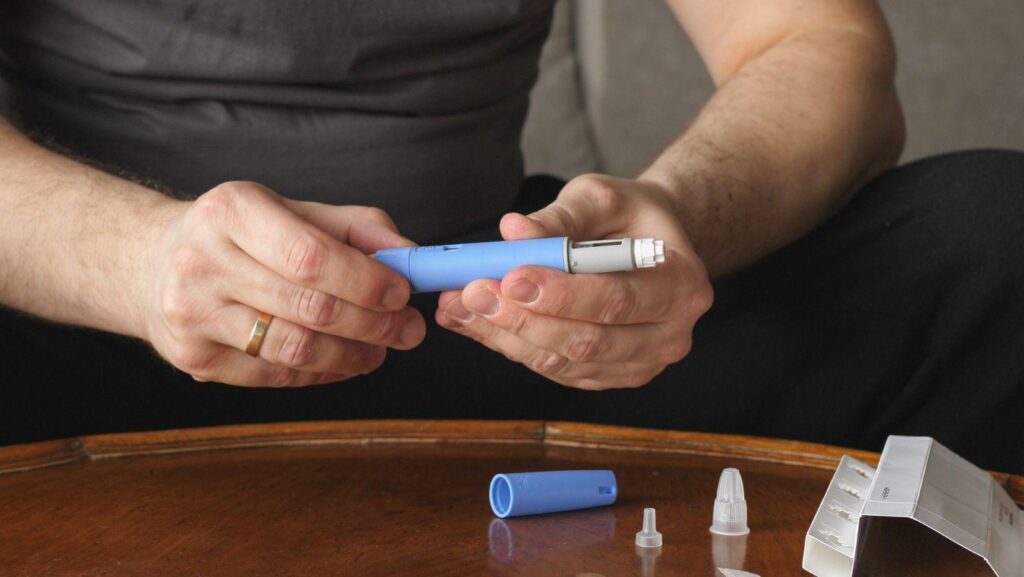
Many people want steady, realistic progress with weight loss medicines like semaglutide. This treatment helps manage appetite and body weight through gradual results that build over time. The average timeline for weight loss with semaglutide shows progress that develops in clear stages over several months.
Each phase of treatment reflects how the body adapts to the medicine and lifestyle changes. From the first small drop in appetite to more visible changes after several months, understanding the overall pace helps set expectations and maintain motivation. This article explains how that timeline usually unfolds and what patterns most people experience along the way.
Week 1-2: Initial appetite suppression and small weight loss (1-2%)
During the first two weeks, most people notice early appetite changes before seeing large drops in weight. The body begins to adjust to semaglutide, which acts on GLP-1 receptors to help control hunger and support smaller portion sizes. As calorie intake drops, some users report feeling full sooner or snacking less often.
Average weight loss in this stage falls around one to two percent of body weight. For someone weighing 200 pounds, that equals about two to four pounds. This early change often comes from reduced food intake rather than fat loss alone, but it helps set the stage for steady progress in later weeks.
Patients who use a telemedicine provider such as Compounded Semaglutide for Weight Loss by The HCG Institute can receive doctor oversight and guidance while adjusting to treatment. The company’s medical team supports people through early side effects like mild nausea and encourages consistent hydration and balanced meals to make the transition smoother.
Month 1: Average weight loss of 2-4 pounds at 0.25 mg dose
During the first month, most people start with a 0.25 mg weekly dose of semaglutide to allow the body to adjust. At this stage, the goal focuses on tolerance rather than major weight reduction. Some may experience mild nausea or fatigue as the body adapts to changes in appetite and digestion.
Average weight loss in the first month typically ranges from 2 to 4 pounds. This equals about 1 to 2 percent of total body weight for most adults. The medication begins to influence hunger signals, helping users eat smaller portions and reduce calorie intake.
Results can differ from person to person based on diet, physical activity, and metabolism. A balanced eating plan and regular movement often support better outcomes. Early progress may appear gradual, yet these small changes usually set the foundation for steady weight loss in later months.
Month 3: Noticeable steady weight loss as dosage increases
By the third month, most people begin to see steady and visible progress. The medication dose often increases during this stage, which helps the body adjust and maintain consistent results. Many individuals report more control over appetite and fewer cravings compared with the first few weeks.
Average weight loss by this point can reach around 5 to 6 percent of starting body weight. For some, this equals roughly one to two pounds per week. Results depend on dose, activity level, diet quality, and body composition.
Some users also describe improved energy levels and a better relationship with food. The effects often motivate continued lifestyle changes, such as healthier meal choices and regular physical activity. These habits support the ongoing action of the medication and contribute to gradual, sustainable progress.
Month 6: Weight loss typically reaches 5-10% of body weight
By the sixth month, many people notice steady progress with semaglutide. Clinical studies show that average weight loss often falls between 5% and 10% of the starting body weight at this stage. Results vary depending on diet, physical activity, dosage, and consistency with treatment.
Appetite control becomes more stable over time. People usually find smaller portions satisfying, and cravings may decrease compared to earlier months. These changes help create a steady calorie deficit that supports gradual fat loss rather than quick drops that are difficult to maintain.
At this point, weight loss tends to slow compared to the early months. The body adjusts, and maintaining healthy habits becomes important for continued progress. Regular check-ins with a healthcare provider can help fine‑tune the dose or address side effects to keep results on track.
Month 9-12: Weight loss can approach 15% with consistent use
By months nine through twelve, many people see their weight loss progress level out. At this stage, they often reach close to 15 percent total weight loss from their starting weight. The rate of change tends to slow compared to earlier months, but steady habits keep results moving in a positive direction.
The body begins to adjust to its new weight, which may reduce calorie needs. Regular follow-ups with a healthcare provider can help confirm that the dose and diet remain appropriate. Many continue to track calories, stay active, and focus on balanced meals to support progress.
Studies show that people who maintain consistent use of semaglutide generally achieve better long-term outcomes. Even if weight loss slows, the medication can help people manage appetite and reduce weight regain. This period often transitions from active weight reduction toward maintenance, helping individuals establish lasting lifestyle changes.
Conclusion
Most people experience steady weight loss with semaglutide over several months. Early effects may appear after 4 to 8 weeks as appetite decreases and portion sizes drop. Noticeable results often occur by months 3 to 6, with research showing an average loss of roughly 10% to 15% of body weight after consistent use for more than a year.
Progress varies by each person’s lifestyle, dosage, and health status. Regular medical follow-up, balanced nutrition, and physical activity help maintain momentum and support long-term results.
In short, semaglutide promotes gradual and measurable weight loss for those who stay consistent with treatment and healthy habits. It offers a structured path for weight management rather than a quick fix.