
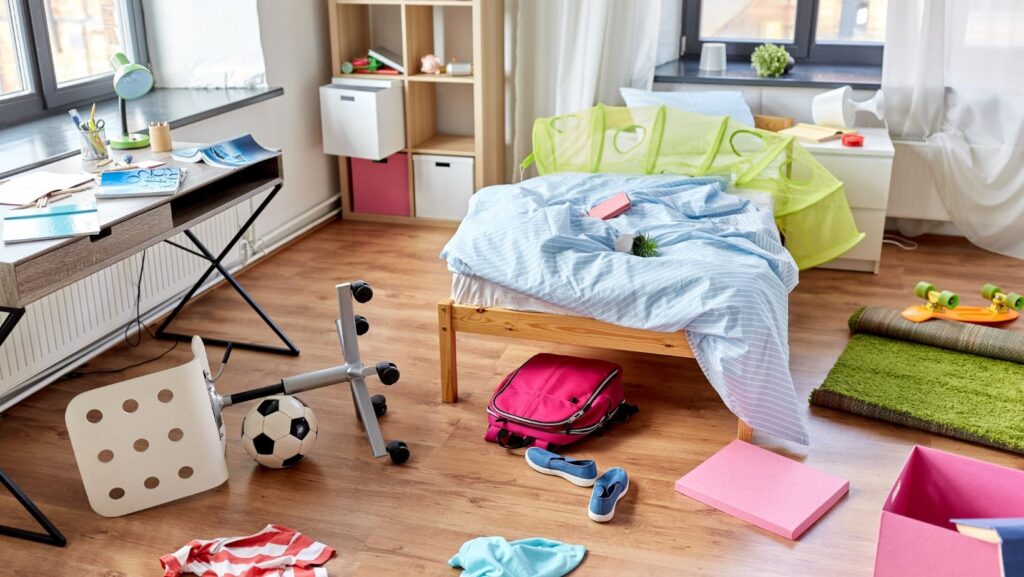
Parenting often feels like managing a never-ending parade of stuff. Toys appear out of nowhere. Clothes multiply overnight. Art projects grow into towers. Sports gear suddenly takes over the hallway. And just when you finally get things under control, your child outgrows half of it, and the cycle begins again.
This constant rotation of children’s belongings is one of the most overlooked stress points for families. It’s not that parents don’t want to stay organized — it’s that kids’ needs change faster than most homes can keep up with. The trick isn’t to control the chaos perfectly; it’s to build a system that makes the flow of items easier to handle. This article walks you through a simple, flexible, and realistic approach to managing the “kids’ item cycle.” Instead of feeling overwhelmed, you can create a routine that helps you rotate, store, reuse, and let go of things without the stress.
Why Kids’ Stuff Feels Unmanageable
Parents often feel guilty for not being “organized enough,” but the truth is that children, especially in the early years, require a rapid turnover of items. New clothing sizes come every few months. Toys appropriate for one developmental stage become useless the next. Even school-age children bring home materials, supplies, and creations at a pace that would shock anyone without kids.
On top of this, family life is busy. You’re juggling meals, appointments, schoolwork, emotional support, cleaning, and work responsibilities. The idea that you’re supposed to also perfectly manage the inflow and storage of belongings — all while smiling — is unrealistic. The good news is that once you understand how the cycle works, you can create a plan that flows with it rather than against it.
Rotate, Don’t Accumulate
One of the best habits parents can adopt is rotating items instead of allowing them to pile up. A simple rotation system reduces clutter dramatically and gives kids the feeling of “newness” without buying anything new. Rotating items means choosing what stays accessible right now and what gets put away for later. This is especially effective with toys, books, and learning materials, but it works with clothes and gear too. In the rotation phase, many parents find it helpful to rely on off-site storage solutions for overflow items, especially when living in smaller spaces. This allows you to store seasonal clothing, bulky gear, or sentimental items without overcrowding your home environment.
The Four-Part System That Saves Time and Space
There’s no one “perfect” method for managing kids’ belongings, but the following four-part system works for families of all sizes and lifestyles. It doesn’t require fancy tools or complicated routines: just a mindset shift and a few doable habits.
- The Active Zone
The Active Zone includes anything your child currently uses — clothing that fits, age-appropriate toys, art supplies that you’ve used this month, and sports gear for the current season.
This zone should be:
- Easy for your child to access
- Simple to clean up
- Regularly refreshed
Think of the Active Zone as your home’s “front of house.” It’s what your child sees and interacts with most.
- The Dormant Zone
The Dormant Zone includes items you want to keep but don’t need daily access to. Examples:
- Out-of-season clothing
- Toys your child still enjoys, but not right now
- Next-size-up items
- Holiday supplies
These can stay in closets, bins, high shelves, or storage drawers. The key is that they’re still in the home but out of regular sight.
- The Long-Term Zone
Some things need to be stored longer: baby clothes you’re keeping for a future sibling, larger equipment, keepsakes, rotating holiday décor, or items for future developmental stages. This is where external storage is helpful, especially for bulky items. A single storage unit can dramatically reduce stress at home by giving you more breathing room.
- The Outflow Zone
This final zone is where items go when they’re ready to leave the home.
Examples include:
- Toys your child has lost interest in
- Clothing that no longer fits
- Items beyond repair
- Duplicates
- Supplies from past activities
Having a designated “Outflow” basket or tote helps you stay proactive throughout the month. Once the basket fills, you can donate, recycle, or discard items, depending on their condition.
Making Rotation Easy: The 10-Minute Weekly Sweep
Parents often think organizing must happen in huge sessions — weekend cleanouts or major decluttering projects. But rotation is meant to be light and doable.
A simple weekly 10-minute sweep is enough.
Here’s how:
- Walk through the main play area or your child’s room.
- Pick out five items:
- Two that need to go to the Dormant Zone
- One that belongs in the Outflow Zone
- Two that should stay in the Active Zone
- Return each item to its proper zone.
Ten minutes. No pressure. No perfection required.
If you do this weekly, your home’s kid-related clutter will naturally stay balanced.
The Hidden Emotional Side of Kids’ Stuff
Parents often get stuck not because of the clutter itself, but because of the emotions attached to items. Every tiny shoe, scribbled drawing, or outgrown jacket carries meaning.
It’s important to acknowledge the emotional side:
- Your child won’t remember most items
- You can preserve memories with photos
- You should keep sentimental things — but not everything
- A few meaningful boxes are better than a house full of clutter
- Letting go of items doesn’t mean letting go of the moments
Choosing a handful of sentimental keepsakes per year (a small box or folder) helps prevent emotional overload while preserving the memories that matter most.
Go With the Overflow
The “kids’ item cycle” isn’t something to fight — it’s something to flow with. Children grow, change, explore, and evolve constantly, and their belongings reflect that. By setting up simple rotation zones, involving your kids, and giving yourself permission to use additional storage when needed, you can transform the cycle from chaotic to manageable. Remember: your goal isn’t perfection. It’s ease, clarity, and creating a home that supports your family’s daily life. If you ever feel overwhelmed, go back to the basics: rotate a little, store a little, release a little. Small steps keep the cycle moving smoothly — and your home peaceful.