
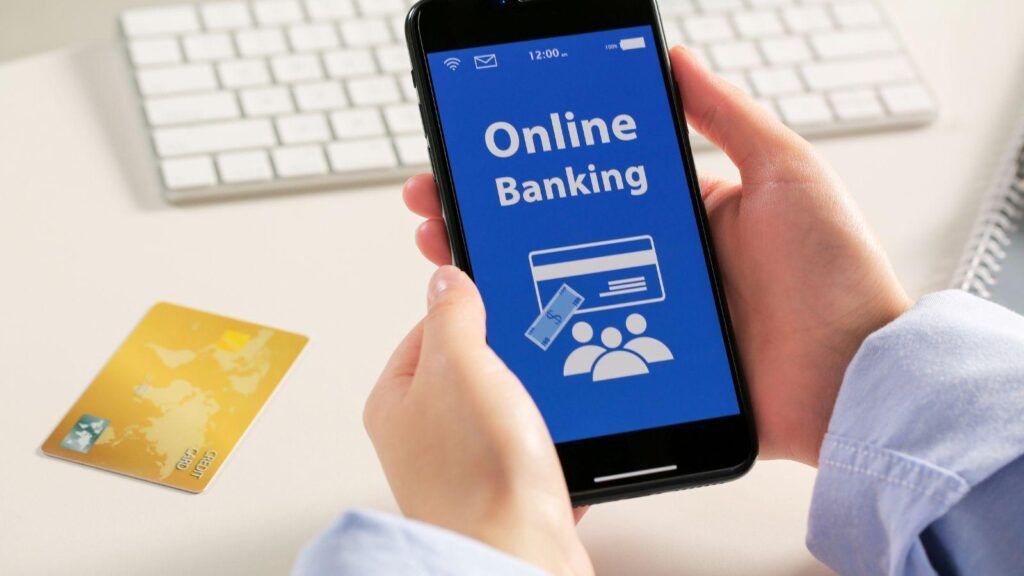
Modern digital tools have made it much easier to stay informed about your financial accounts. Specifically, many banks in the Philippines like Maya Bank now offer intuitive apps that provide a clear look at where your money goes in real-time while providing an easy way to save and manage your finances.
They’re also the reason why you interact with your money far more often than you realize. You probably find yourself opening your banking app several times a week to see if a paycheck landed, confirm a utility payment, or check your balance before a grocery run.
These moments usually happen on autopilot, tucked into the gaps of a busy day. However, these brief windows of time are actually the most effective tools for keeping your finances on track. Here are seven tips to turn these quick banking activities into productive financial check-ins.
1) Focus on Observation, Not Criticism
Many people open their apps and immediately start judging their past choices. This fear is the biggest barrier to checking an account. It also creates a negative feedback loop: you feel guilty about spending, so you avoid the app, which leads to more uncertainty and eventually more guilt. Overcoming this requires a shift in how you view the data.
In contrast, a productive check-in focuses on noticing patterns rather than criticizing behavior. It’s much better to look at your activity as a neutral observer. Simply identifying one area that feels a bit heavy is plenty. You might notice that food delivery costs are creeping up or that your electricity bill keeps rising. When you know the numbers, you can adjust plans so they realign with your goals.
2) Handle the “Easy” Stuff
One common mistake people make is thinking that financial management requires a total lifestyle overhaul. In reality, small wins already provide the momentum you need to develop good financial habits. After all, you don't need to reorganize your entire financial life in one sitting. That will only lead to burnout.
A better strategy is to look for one simple change during your check-ins that creates immediate breathing room. The most common starting point is a forgotten subscription. We often sign up for a trial and forget to cancel it before the billing cycle hits. Taking two minutes to pause an unused service or a digital membership frees up money without changing your daily routine at all. These small victories reinforce the idea that you are in control of your account.
3) Establish a Simple Spending Boundary
Rigid budgets can feel restrictive, which often leads to people giving up on them entirely. Instead of a strict no-spend rule, try setting a flexible boundary for the week. You could use your bank’s app to set a limit for weekend entertainment or a target for grocery spending. When the boundary is realistic and clear, checking your account becomes a way to see how much room you have left to move. It changes the experience from a reminder of what you can’t do into a strategy for how to use the rest of your funds.
4) Scan for Unfamiliar Transactions
This is a practical step that provides peace of mind. Use your check-ins to quickly scan for charges that look unfamiliar. In a world of digital payments, catching a duplicate charge or a subscription error early is important. Most of the time, an odd-looking name is just the corporate parent of a local shop, but it’s better to be sure than sorry. It also proves that your five-minute check-in has tangible value.
5) Look Ahead to the Next 48 Hours
Before closing the app, take a few seconds to look at what’s coming up. Check for any scheduled bills, upcoming rent payments, or planned social events. This will help you prevent the surprise of a payment hitting an account that isn't quite ready for it. If the next two days look tight, you can make a small adjustment today to avoid a headache later. This proactive approach keeps you informed without requiring constant attention throughout the day.
6) Prioritize Consistency Over Intensity
People often wait for a burst of motivation to manage their finances. The problem is that motivation is temporary and often fades when life gets busy. Fortunately, financial progress doesn't require high energy most of the time. Instead, it needs repeatable actions that you can do even on a Friday when you're tired from work.
In other words, a quiet, three-minute review twice a week is much more effective than a three-hour deep dive once every few months. These smaller habits are more likely to survive stressful periods because they don't ask for much effort. The process also feels flexible because you’re aiming for consistency rather than ticking off a strict checklist.
7) Pair the Check-in with a Relaxing Moment
It’s natural to avoid banking if it feels like a source of tension. One way to change this is to pair the habit with something you already find pleasant. You might decide to only check your account while having your morning coffee or while sitting in a quiet spot after work.
Because these check-ins are brief, they also don't need to interrupt your schedule. Five minutes is usually enough time to see where you stand and make one small decision if necessary. Plus, by turning it into a low-stakes ritual, you reduce the urge to procrastinate. The task stays contained and manageable, making it much easier to return to.
Stay Informed Without the Stress
Ultimately, the goal of these check-ins is to make money feel less like a mystery. By paying attention in small, frequent doses, you catch small issues before they grow into larger problems. Instead of reacting to your balance only when there’s an emergency, you proactively act based on real information. You build awareness without the heavy weight of expectation, and you create a routine where you can actually learn about your own habits and slowly train yourself to be good with money.