
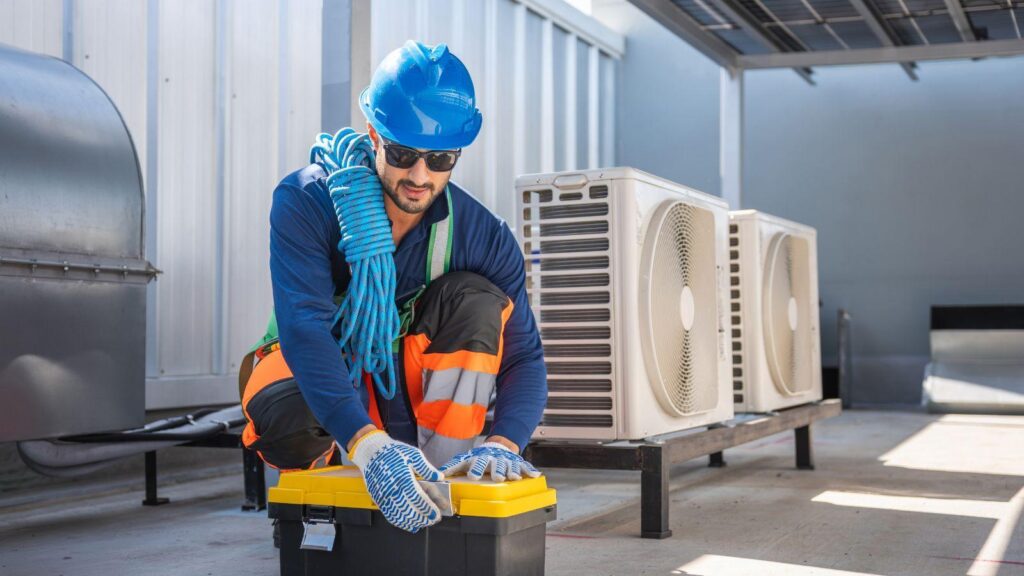
Regular maintenance is the single most effective way to avoid expensive HVAC repairs, and it’s especially important in a climate like Seattle’s, where persistent humidity and moderate but variable temperatures put unique demands on heating and cooling systems throughout the year.
Spring: Preparing for cooling season
- Replace or clean air filters, which typically need attention every one to three months
- Clear debris, leaves, and vegetation from around outdoor condenser units
- Check that condensate drain lines aren’t clogged with algae or debris
- Test the cooling function before hot weather arrives to catch any issues early
- Inspect ductwork for visible gaps, disconnections, or signs of moisture
Summer: Keeping systems efficient during peak use
Even though Seattle summers are milder than much of the country, the increasing frequency of heat waves in recent years has put more strain on cooling systems than many homes are used to. Keeping outdoor units clear of debris, shaded where possible, and free of dust buildup on the coils helps maintain efficiency during these warmer stretches.
Fall: Getting ready for the wet season
- Schedule a professional inspection of the heating system before the first cold snap
- Test the heating function, ideally weeks before it’s actually needed
- Check thermostat batteries and settings, especially for programmable models
- Inspect for any mold or mildew that may have developed during humid summer months
- Clean or replace filters ahead of the season with heaviest system use
Winter: Monitoring performance through heavy use
Winter is when most HVAC systems in the region run the longest, continuous stretches, which makes it the season most likely to reveal an underlying issue that seemed minor earlier in the year. Keep an eye on energy bills for unexpected spikes, listen for new or worsening noises, and don’t ignore rooms that seem to stay colder than others despite the thermostat setting.
Year-round habits that extend system life
- Keep vents and returns unblocked by furniture or rugs
- Schedule professional maintenance visits twice a year rather than waiting for a problem
- Keep a simple log of filter changes and service visits for reference
- Address small issues, like unusual sounds or smells, as soon as they appear
Homeowners who follow a consistent seasonal schedule tend to get significantly more life out of their equipment and spend less overall on repairs, since most major HVAC failures trace back to smaller issues that went unaddressed for months or years. Working with one of the established hvac companies in seattle for a biannual inspection, rather than only calling when something breaks, is generally the most cost-effective long-term approach to keeping a system reliable.
None of these tasks require advanced technical knowledge, and most homeowners can handle filter changes and basic outdoor unit clearing on their own. The value of professional maintenance visits comes from catching issues that aren’t visible from the outside, like refrigerant levels, electrical connections, and internal component wear, before they turn into full system failures.
Setting calendar reminders for each seasonal task is a simple way to keep this schedule consistent rather than relying on memory alone. Many homeowners find it useful to tie maintenance reminders to other recurring seasonal tasks, like changing smoke detector batteries or scheduling gutter cleaning, so the whole list gets handled together rather than piecemeal throughout the year.
For renters or homeowners unsure who’s responsible for certain maintenance tasks, clarifying that upfront with a lease agreement or homeowners association guidelines can prevent confusion later. Even simple tasks like filter changes are sometimes overlooked for months when responsibility isn’t clearly assigned, which ends up affecting system performance more than most people realize until a bigger issue surfaces.
A small binder or shared digital folder with service records, warranty information, and manuals for the specific system installed in a home also proves valuable whenever a new technician visits for the first time, saving time that would otherwise go toward re-explaining a system’s history from scratch.