
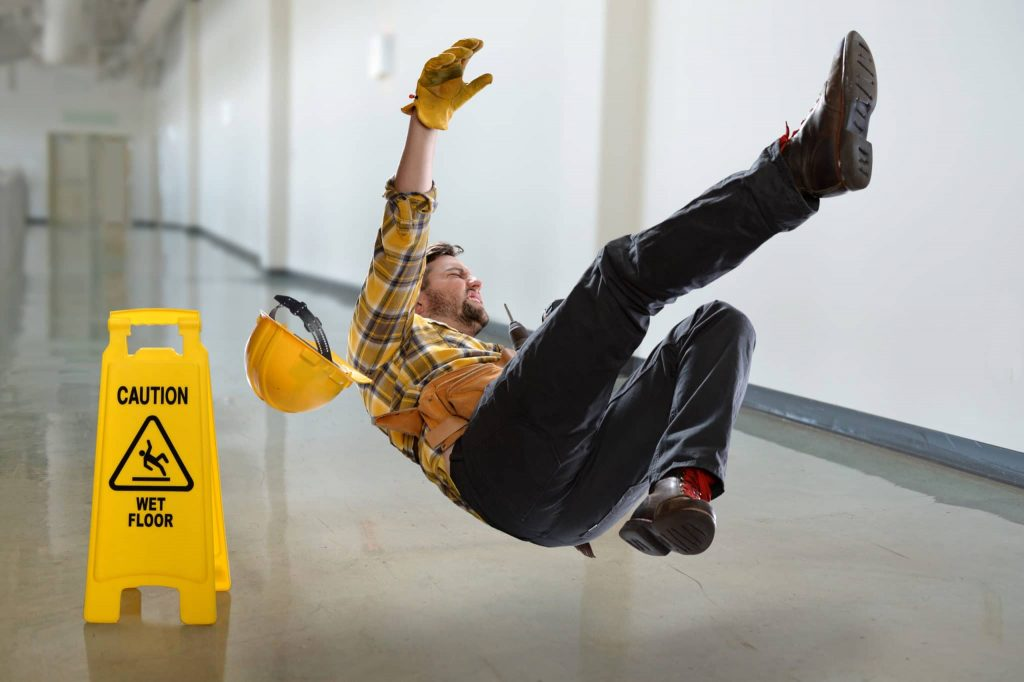
Schools should be safe places for students to learn, walk, play, eat, and move between classes. However, a slippery hallway, broken stairs, wet cafeteria floor, icy entrance, or poorly maintained playground can cause a serious fall.
When a student is injured because a school failed to address a dangerous condition, the family may have legal options. A slip and fall lawyer in the Bronx can help determine whether the school, property owner, maintenance contractor, or another party may be responsible.
Why School Falls Can Be Serious
Children and teenagers may seem resilient, but falls can still cause significant injuries. A student may suffer a concussion, broken wrist, knee injury, ankle sprain, back injury, dental trauma, or shoulder injury after slipping or tripping at school.
These injuries can affect more than physical health. A student may miss classes, sports, exams, activities, and social events while recovering, which can create stress for both the child and the family.
Common Hazards Inside Schools
School slip and fall accidents can happen in many areas, including hallways, stairwells, cafeterias, bathrooms, locker rooms, classrooms, gyms, and entryways. Common hazards include:
- Wet floors
- Spilled food
- Loose mats
- Broken tiles
- Cluttered walkways
- Poor lighting
- Leaks or slippery surfaces
- Damaged flooring
Because schools have heavy foot traffic, staff should respond quickly to hazards that students may not notice in time.
Outdoor Hazards on School Property
Falls can also happen outside the school building. Icy sidewalks, cracked pavement, uneven playground surfaces, potholes, poor drainage, and debris near entrances can all cause injuries.
Outdoor hazards may become more dangerous during arrival, dismissal, recess, or after-school programs when many students are moving at once. Schools should anticipate these busy periods and take reasonable steps to keep walking areas safe.
Supervision and Student Safety
Some school falls involve more than a physical hazard. Lack of supervision may also play a role, especially in stairwells, playgrounds, cafeterias, gyms, or crowded hallways.
If staff knew students were running, pushing, crowding, or using an unsafe area and failed to respond, supervision may become part of the claim. The question is whether reasonable steps could have reduced the risk of injury.
Who May Be Responsible?
Responsibility depends on the facts. A public school, private school, charter school, landlord, maintenance company, cleaning contractor, snow removal company, or equipment provider may be involved.
For example, a cleaning company may have left a floor wet without warning signs, or a contractor may have failed to repair broken flooring. Identifying the correct party is important because different rules and deadlines may apply.
Public School Claims May Have Short Deadlines
Claims involving public schools can involve special notice requirements and shorter deadlines than ordinary injury cases. Families may need to act quickly to preserve the child’s rights.
Waiting too long can create serious problems, even when the injury is legitimate. Evidence may disappear, witnesses may forget details, and legal deadlines may pass before the family realizes action was required.
Evidence Families Should Preserve
Families should keep records that help show what happened and how the fall affected the student. Useful evidence may include:
- Photos of the hazard
- Incident reports
- Witness names
- Medical records
- School communications
- Surveillance footage
- Maintenance records
- Messages sent to teachers or administrators
- Missed school days
- Medical appointments
- Prescriptions or therapy records
- Activity restrictions
- Notes about daily life changes
These details can help show the full impact of the fall.
School Incident Reports Matter
After a student falls, the school may create an incident report. This report may include where the accident happened, who was present, what staff observed, and what injury was reported at the time.
Parents should ask for a copy if possible and write down their own account while details are still fresh. If the report leaves out important facts, such as a wet floor or broken step, those missing details should be documented separately.
Medical Care Creates a Clear Timeline
A student should be evaluated by a medical professional after a serious fall, especially if there is head pain, dizziness, swelling, limping, back pain, or difficulty moving. Some injuries do not appear fully right away.
Medical records help connect the school fall to the injury. They also document treatment needs, physical restrictions, follow-up care, and whether the student must avoid sports, gym class, or other activities.
When the School Blames the Student
Schools or insurance companies may argue that the student was running, distracted, careless, or ignoring rules. These arguments are common in fall cases involving children.
However, a child’s conduct does not automatically erase responsibility. The student’s age, the hazard, supervision, school rules, and condition of the property all matter when determining whether the injury could have been prevented.
How a Claim Can Help the Family
A legal claim may help recover compensation for medical bills, therapy, future treatment, transportation costs, pain, emotional distress, and other losses connected to the injury.
In more serious cases, the claim may also address long-term effects, such as scarring, permanent limitations, missed educational opportunities, or the need for ongoing care. The value depends on the injury and how it affects the student’s life.
Protecting an Injured Student’s Future
A school slip and fall accident should not be dismissed as a normal childhood mishap when unsafe conditions played a role. Wet floors, broken stairs, icy walkways, poor supervision, and ignored maintenance problems can lead to preventable injuries.
Families should act quickly after a school fall. Preserving evidence, getting medical care, and understanding the correct legal deadlines can help protect the student’s health, education, and future options.