
In recent years, more homeowners have started exploring solar energy. It is no longer seen as a niche option. Instead, it has become a realistic choice for everyday households.
The main reason is simple. People want to take control of their energy costs. Traditional electricity prices can be unpredictable, and this makes budgeting harder. Solar panels offer a way to stabilise those costs by generating power at home.
At the same time, there is a shift toward cleaner energy sources. Solar power fits naturally into this change, as it uses sunlight without creating pollution.
Understanding the Setup
A typical home solar system includes several key parts. The panels sit on the roof and collect sunlight. The inverter converts that energy into usable electricity. There may also be a monitoring system that lets you track how much power you are generating.
Some homeowners also choose to add a battery. This allows you to store excess energy for use at night or during cloudy days. While batteries increase the overall cost, they can improve your independence from the grid.
Costs and Savings Explained
One of the first questions people ask is about cost. Installing solar panels does require an upfront investment. However, prices have come down over time, making it more accessible than before.
The real value comes from long-term savings. By generating your own electricity, you reduce the amount you need to buy from your energy provider. Over the years, this can add up to significant savings.
In some areas, you may also receive credits for sending unused electricity back to the grid. This can further improve the financial return of your system.
Choosing the Right System
Not all solar systems are the same, so it is worth taking the time to choose carefully. Start by looking at your energy usage. This will help determine the size of the system you need.
Next, consider the quality of the panels and inverter. Cheaper options may save money upfront, but higher-quality components often last longer and perform better.
It is also important to choose a reliable installer. Look for reviews, ask questions, and make sure you understand what is included in the quote. A good installer will guide you through the process and explain your options clearly.
Installation and What to Expect
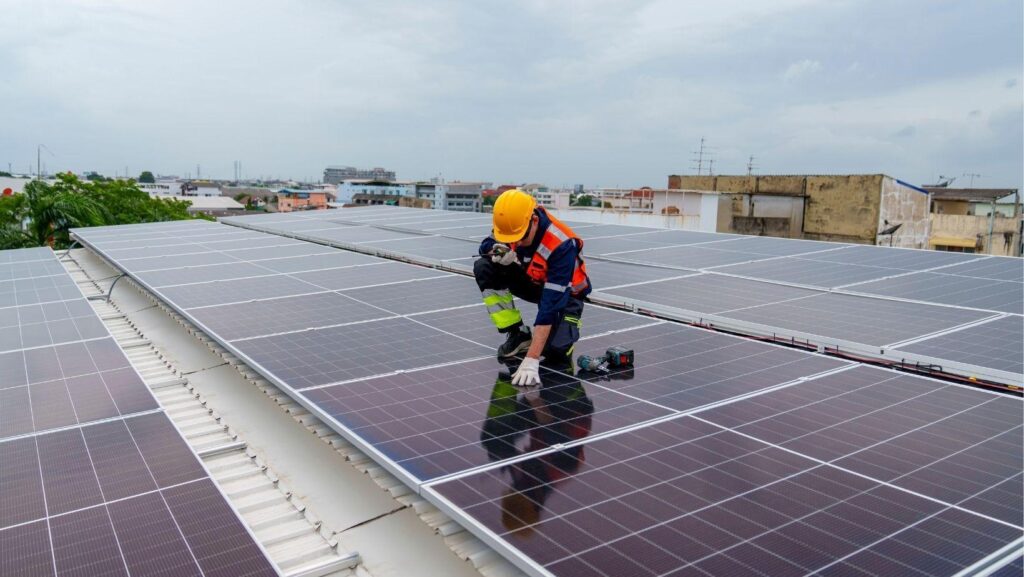
The installation process is usually straightforward. Once you agree on a system, the installer will handle permits and scheduling. The actual installation can often be completed within a few days.
After installation, your system will need to be connected to the grid and tested. Once everything is approved, you can start generating your own electricity.
Living with Solar Panels
After your system is up and running, you may notice a shift in how you use energy. Many homeowners become more aware of their consumption. Simple habits, such as running appliances during sunny hours, can help maximise the benefits of solar power.
Monitoring tools can show you how much energy you are producing and using. This makes it easier to adjust your habits and get the most out of your system.
Common Misconceptions
Some people believe that solar panels only work in very sunny climates. While strong sunlight does improve performance, panels can still generate electricity on cloudy days. This means solar can work in a wide range of locations.
Another misconception is that solar panels require constant maintenance. In reality, they are designed to be durable and require very little upkeep.
Final Thoughts
Solar panels offer a practical way to reduce energy costs and make your home more efficient. While the initial investment may seem high, the long-term benefits often outweigh the costs.
With the right setup, solar energy can provide reliable power for many years. It is a step toward greater independence and a more sustainable way of living.
If you are considering solar panels for your home, take the time to research your options and plan carefully. A well-chosen system can make a noticeable difference to both your finances and your lifestyle.