
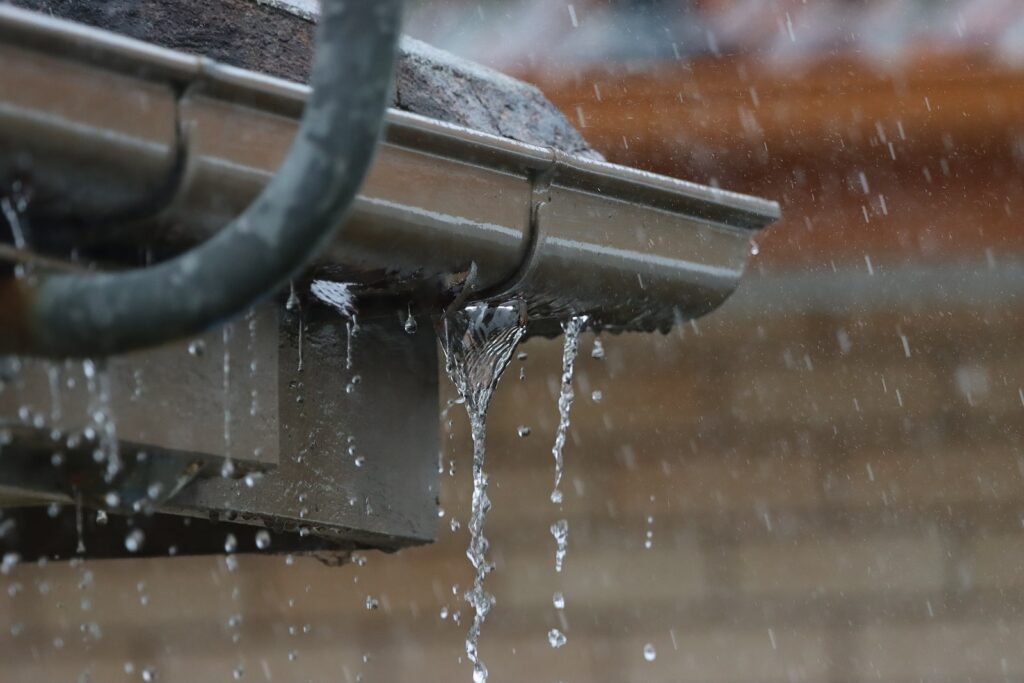
Most homeowners spend a lot of time looking at their shingles or tiles when they worry about leaks. It makes sense because that is what covers the bulk of the house. However, the real danger often lurks at the edges where the metal trim lives. If you have been searching for a reliable roof repair Park City contractor lately, you probably already know that the mountain climate is brutal on these small details. When that metal trim starts to pull away, it is not just an eyesore. It is an open invitation for water to move into places it was never meant to be.
The Role of Metal Trim as a Shield
Think of your roof trim as the armor for the most vulnerable parts of your home. It works hard to cover the following elements:
- The joints
- The eaves
- The gables
- The other areas where different surfaces meet
Without this metal flashing and fascia, your wood framing would be exposed directly to the elements. Metal is used because it is durable and sheds water effectively. But its effectiveness depends entirely on its fit. When it is tight and secure, water rolls right off and into the gutters. When it gets loose, that shield becomes a funnel.
How Thermal Expansion Pulls Trim Apart
In high altitude areas, the temperature swings are extreme. During the day, the sun beats down and heats the metal until it expands. At night, the temperature drops and the metal contracts. It’s the cases of extremes, akin to a pendulum swinging. Sadly, this constant movement puts a lot of stress on the nails and screws holding the trim in place.
Over several seasons, those fasteners can start to back out. Once a gap forms, the wind can get behind the metal and rattle it, loosening it even further. This cycle continues until the trim is no longer flush against the house, leaving a perfect entry point for rain and melting snow.
The Capillary Effect and Seeping Water
Water does not always fall straight down. It has a sneaky way of traveling upward or sideways through a process called capillary action. When metal trim is loose, it creates a tiny space between the metal and the wood. And this is dangerous because surface tension allows water to “suck” into that narrow gap.
Once the moisture is behind the metal, it cannot evaporate easily. It sits against the wooden fascia boards or the roof deck, slowly soaking into the grain. This is how you end up with wood rot even when you do not see a massive leak inside your living room yet.
Wind-Driven Rain and Hidden Gaps
A heavy storm does not just bring rain, it brings pressure. High winds can force water into gaps that are less than a millimeter wide. If your rake edge or drip edge is flapping even a little bit, a strong gust can push water underneath the shingles or behind the siding.
And when this happens, it bypasses your primary layers of protection. Because the metal is still mostly in place, you might not notice the damage until the wood underneath has softened or mold has started to grow in your attic space.
Ice Dams and the Metal Trim Connection
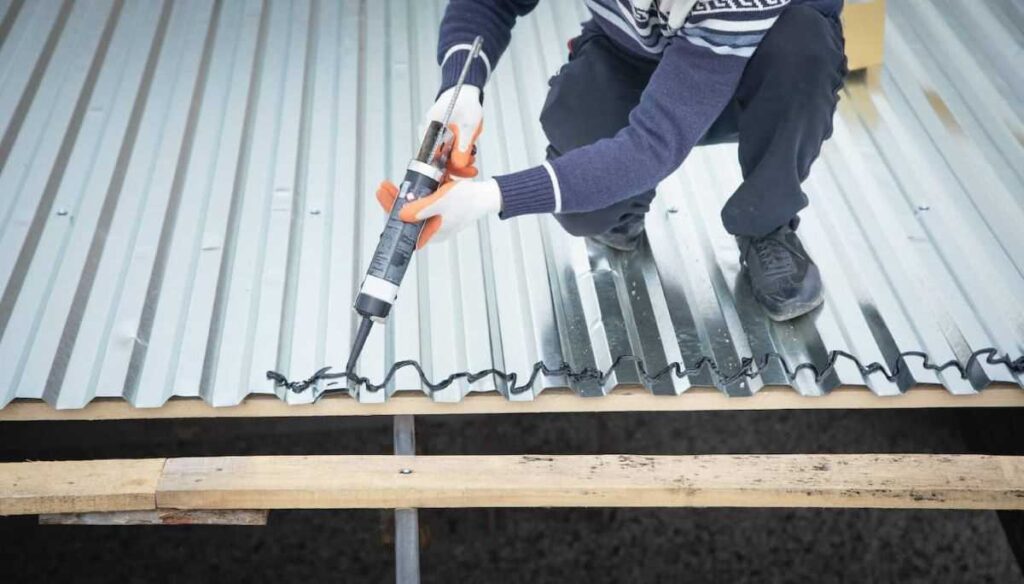
In the winter, loose trim becomes an even bigger liability. Ice dams form when snow melts on the upper parts of the roof and freezes at the cold eaves. This ice creates a literal dam that backs up liquid water. If your metal drip edge is loose or improperly installed, that backed-up water will find its way behind the trim.
Instead of the water dripping off the edge of the roof, it flows down the interior of your walls. This can cause massive damage to your insulation and drywall before the ice even has a chance to melt away.
Preventing Long-Term Structural Damage
The biggest issue with loose trim is that the damage is cumulative. A small gap this year becomes a bigger gap next year. By the time the trim actually falls off or hangs visibly low, the structural wood behind it is often compromised.
Replacing a few feet of metal is a quick and affordable fix. Replacing the entire wooden fascia and soffit system because of rot is a major construction project. Regular inspections are the only way to catch these loose edges before they turn into a financial nightmare.
Final Word
Keeping your home dry starts with paying attention to the small stuff. If you notice a piece of metal rattling in the wind or a gap forming along your roof line, it is time to call a roof repair Park City contractor to get things cinched down. Addressing these minor shifts today prevents the rot and internal water damage that follows a rough winter. Taking care of your trim ensures your home stays protected from the top down for years to come.