
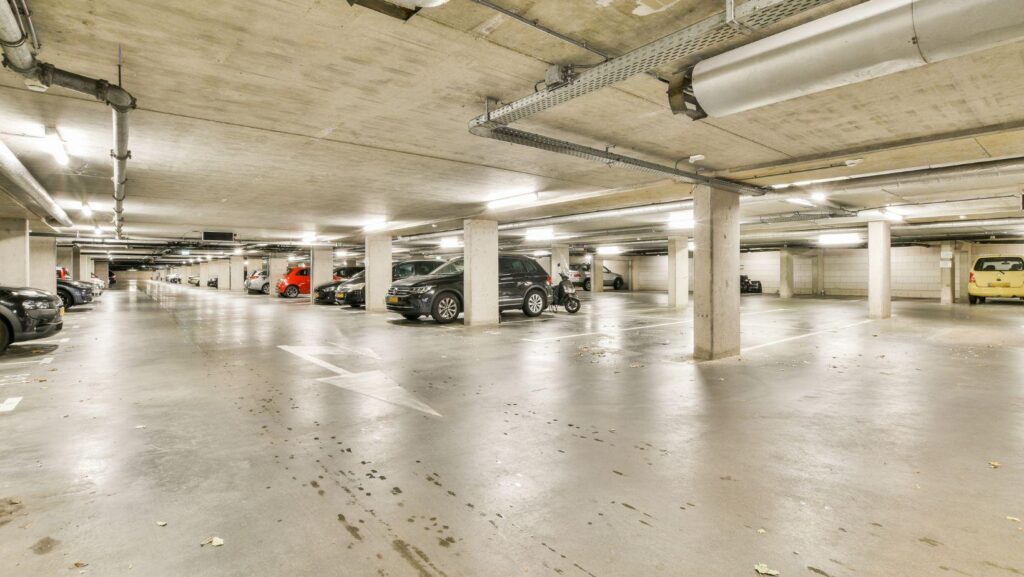
Parking lots can feel routine, but they often place pedestrians and vehicles in the same tight space. People are walking toward stores, loading bags, guiding children, pushing carts, or searching for their cars while drivers are reversing, turning, parking, and watching for open spaces. That mix can become dangerous quickly.
A parking lot crash may look simple at first, but the cause can involve more than one unsafe choice. Vehicle movement, poor visibility, confusing design, weak lighting, and careless maintenance may all contribute. When a pedestrian is hurt, Fort Lauderdale pedestrian accident litigators may review the lot layout, driver behavior, camera footage, and property conditions to determine how the injury happened.
1. Reverse Traffic Near Store Entrances
Parking spaces closest to store entrances often see the most foot traffic. Pedestrians may pass behind vehicles just as drivers begin backing out. A driver who relies only on a camera, mirror, or quick glance may fail to notice someone walking through the aisle.
This danger increases when drivers reverse quickly or become focused on nearby vehicles instead of pedestrians. A person walking behind the vehicle may have little warning before impact. Careful drivers should back out slowly, pause when visibility is limited, and continue checking until the vehicle is fully clear.
2. Walking Routes That Force People Into Vehicle Lanes
Some parking lots do not give pedestrians a practical path from parked cars to the entrance. Without a clear walkway, people may have to move through travel lanes, between parked vehicles, or across wide driving areas where drivers may not expect them.
A safer lot should guide foot traffic in a predictable way. Painted paths, raised walkways, curb cuts, and protected routes can reduce confusion. When pedestrians are left to find their own way through vehicle movement, the risk of a collision can rise.
3. Dark Zones Between Lights
A parking lot may look lit from a distance but still contain dark pockets where pedestrians are difficult to see. Shadows can form between light poles, behind large vehicles, near landscaping, or around building corners. At night, a driver may not notice a person until they are already too close.
Lighting matters most where people and vehicles cross paths. Entrances, exits, cart returns, accessible spaces, stairways, payment areas, and pedestrian routes should be visible. If bulbs were out, fixtures were broken, or complaints were ignored, maintenance records may become important evidence.
4. Drivers Focused on Parking Instead of People
Parking lots encourage divided attention. Drivers may be searching for an empty space, reading signs, following arrows, checking a phone, or watching another car pull out. In that moment, a pedestrian can become secondary in the driver’s mind.
This is dangerous because pedestrians often assume drivers will slow down in parking areas. But a distracted driver may roll through a crossing, turn suddenly, or accelerate toward an open spot. Even at low speeds, a pedestrian can suffer serious injuries after being hit or knocked to the pavement.
5. Sightlines Blocked by Everyday Objects
A parking lot does not need a major design flaw to hide a pedestrian. A delivery truck, oversized SUV, shopping cart corral, dumpster, sign, pillar, fence, or row of landscaping can block a driver’s view. The pedestrian may also have trouble seeing approaching traffic.
When sightlines are poor, drivers should slow down and expect people to appear. Property owners and managers should also consider whether objects have been placed where they create avoidable danger. Photos from the driver’s viewpoint and the pedestrian’s viewpoint can help show how visibility was affected.
6. Cut-Through Driving Across Empty Spaces
Some drivers ignore marked lanes and cut diagonally through open parking spaces to save time. This can surprise pedestrians who expect vehicles to follow the main travel aisles. A person walking between parked cars may not anticipate a vehicle approaching from an unusual direction.
Cut-through driving can be especially dangerous in large lots, shopping centers, office complexes, and beach or event parking areas. Speed bumps, directional arrows, lane markings, curbing, signs, and traffic-calming features may help discourage unsafe movement when used properly.
Why “Low Speed” Does Not Mean Low Harm
Insurance companies may try to downplay parking lot injuries because vehicles are often moving slowly. But a pedestrian can still be badly hurt. The impact may knock the person down, twist a joint, cause a head strike, or worsen an existing condition.
Injuries may include fractures, concussions, hip injuries, knee damage, shoulder injuries, back pain, cuts, bruising, or internal trauma. Older adults may face longer recoveries after falls. Medical records, imaging, therapy notes, and work restrictions can help show the true effect of the crash.
The Property Itself May Be Part of the Problem
A driver may have caused the immediate impact, but the condition of the parking lot may also matter. Poor lighting, confusing traffic flow, missing pedestrian paths, uneven pavement, faded markings, or blocked views can all increase danger.
Responsibility may extend beyond the driver if a property owner, manager, maintenance company, or business failed to address unsafe conditions. The key question is whether the danger was known, should have been discovered, or could have been corrected before someone was hurt.
Scene Details Should Be Preserved Early
Parking lot conditions can change quickly. A light can be repaired, markings can be repainted, vehicles can move, and camera footage can be erased. For that reason, early documentation is important.
Useful evidence may include photos of the scene, lighting, signs, pavement markings, vehicle damage, nearby cameras, cart corrals, landscaping, and the path the pedestrian took. Witness names, incident reports, security logs, maintenance records, and medical documents may also help explain what happened.
When a Routine Walk Turns Dangerous
People should be able to walk through parking lots without facing unnecessary hazards. A trip from a car to a storefront should not become dangerous because drivers are careless or the property fails to guide pedestrian movement safely.
Parking lot pedestrian injuries can result from reversing vehicles, poor walking routes, dark areas, distraction, blocked sightlines, and drivers cutting across spaces. A careful investigation can reveal whether the crash was caused by a moment of driver negligence, a dangerous property condition, or both.