
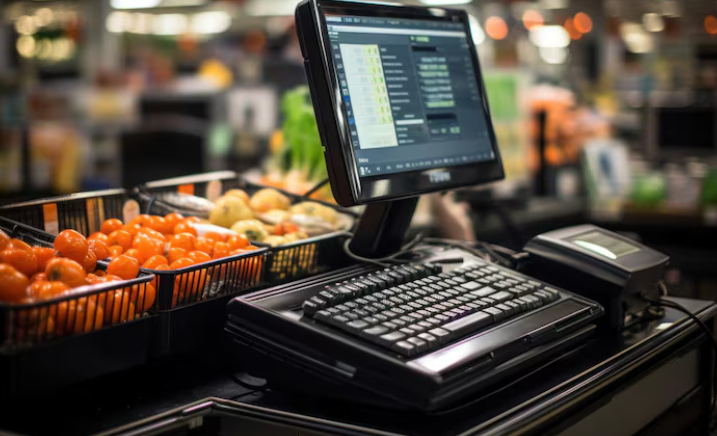
Operational efficiency in restaurant kitchens is shaped by how clearly information flows, how well tasks are coordinated, and how consistently teams can execute under pressure.
As order volume increases and service models expand, many kitchens find that manual tools such as paper tickets and verbal communication introduce friction that slows execution and increases errors.
Within a broader restaurant pos system, a kitchen display system (KDS) supports operational efficiency by structuring how orders enter the kitchen, move through preparation, and reach completion. Rather than asking teams to work faster, a KDS focuses on removing inefficiencies that disrupt workflow.
Below are eight operational efficiency gains restaurants commonly achieve when kitchen display systems are implemented with daily operations in mind.
1. Faster Order Intake and Reduced Start-Time Delays
One of the most immediate efficiency gains comes from eliminating delays between order placement and kitchen awareness. With manual ticket systems, orders may arrive late or out of sequence, especially during peak periods.
A kitchen display system improves efficiency by:
- Delivering orders to the kitchen instantly
- Eliminating physical ticket handoffs
- Preserving the original order sequence
Earlier order visibility allows kitchens to begin preparation sooner, reducing idle time and improving overall throughput without increasing staff workload.
2. Reduced Rework Caused by Order Miscommunication
Rework is a major source of inefficiency in kitchen operations. Misread tickets, missed modifiers, or unclear special instructions often result in remakes that waste time and ingredients.
A kitchen display system reduces rework by:
- Presenting orders clearly and consistently
- Keeping modifiers and special requests visible throughout prep
- Updating changes in real time
By improving information accuracy, kitchens spend less time correcting mistakes and more time completing orders correctly the first time.
3. Better Balance of Workload Across Prep Stations
Inefficient kitchens often suffer from uneven workload distribution. Some stations become overwhelmed while others remain underutilized, creating bottlenecks at final assembly.
Kitchen display systems help balance workloads by:
- Routing items to the appropriate stations
- Making station responsibilities explicit
- Supporting parallel preparation across stations
Balanced workloads reduce waiting time between steps and improve overall efficiency without requiring additional staffing.
4. Fewer Interruptions and Workflow Disruptions
Frequent interruptions such as clarification questions or verbal callouts break workflow momentum and slow preparation. In high-pressure environments, these disruptions accumulate quickly.
Kitchen display systems reduce interruptions by:
- Keeping order details continuously visible
- Reducing reliance on verbal communication
- Making updates immediately accessible
With fewer disruptions, kitchen teams can maintain focus and rhythm, leading to smoother and faster execution.
5. Improved Visibility Into Work-in-Progress
Efficiency depends on knowing what is being worked on, what is nearing completion, and what is falling behind. Without visibility, kitchens often operate reactively.
A kitchen display system improves visibility by:
- Showing orders in progress at all stages
- Displaying elapsed preparation time
- Highlighting items awaiting completion
This shared visibility enables supervisors and expediters to manage flow proactively, reallocating effort before delays impact service.
6. More Predictable Handoffs and Completion Timing
Final assembly and handoff points are common sources of inefficiency. When stations complete items at different times, orders may stall while waiting for remaining components.
Kitchen display systems improve handoff efficiency by:
- Aligning preparation timing across stations
- Signaling when orders are nearing completion
- Improving coordination with service teams
In operations that also rely on a drive thru system, predictable handoffs are especially important to prevent backups and maintain steady throughput.
7. Greater Consistency Across Shifts and Staffing Levels
Operational efficiency often declines when staffing changes. Differences in experience or familiarity can lead to slower execution and inconsistent workflows.
Kitchen display systems support efficiency by:
- Standardizing how orders are displayed and processed
- Reducing reliance on memory or informal practices
- Supporting repeatable workflows across shifts
This consistency helps maintain efficiency even when staffing levels fluctuate or new team members are onboarded.
8. Reduced Cognitive Load on Kitchen Staff
Efficiency is not just about speed it is also about mental effort. When staff must remember priorities, track timing manually, or interpret unclear information, cognitive load increases and performance suffers.
Kitchen display systems reduce cognitive load by:
- Structuring priorities visually
- Making order status and timing explicit
- Removing the need for constant mental tracking
Lower cognitive load allows teams to work more efficiently and sustainably, especially during long or high-volume shifts.
Broader Operational Impact of Efficiency Gains
When kitchens operate more efficiently, the benefits extend beyond faster ticket times. Reduced rework lowers food waste, balanced workloads improve labor utilization, and smoother workflows reduce staff stress.
Over time, restaurants often experience:
- More predictable service performance
- Improved staff retention due to lower burnout
- Greater confidence during peak service periods
These outcomes support both short-term performance and long-term operational stability.
Factors That Influence Efficiency Outcomes
The efficiency gains enabled by a kitchen display system depend on thoughtful implementation.
Key factors include:
- Screen placement and visibility from each station
- Configuration aligned with actual kitchen roles
- Training that reinforces system-based workflows
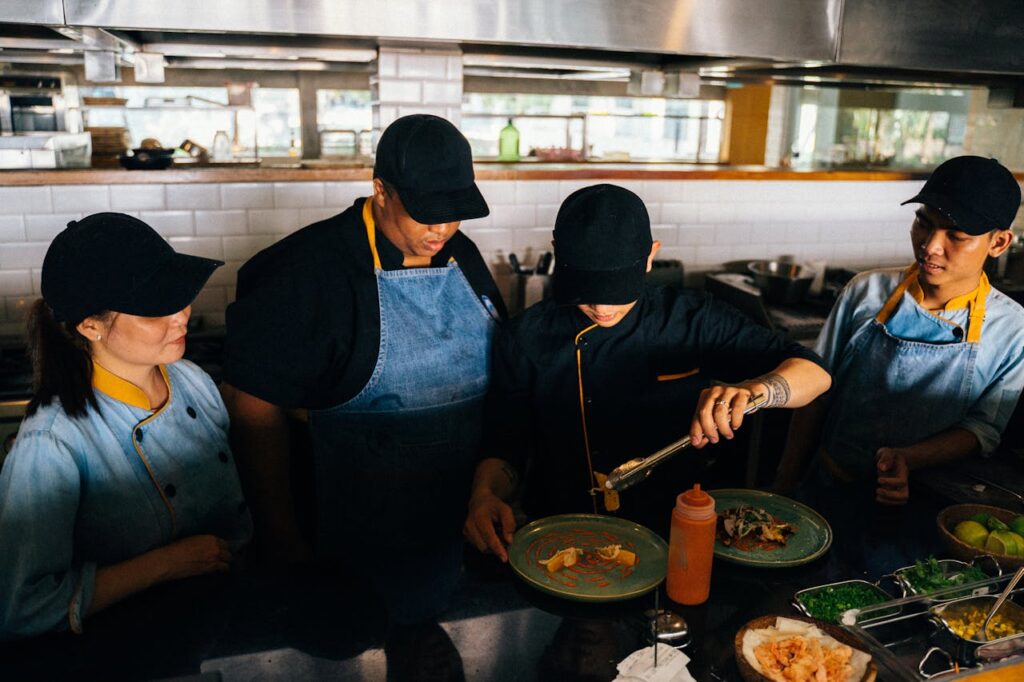
When these elements are aligned with kitchen operations, efficiency improvements are more likely to be sustained over time.
Closing Perspective
Operational efficiency in kitchens is rarely improved by asking teams to work harder. It improves when friction is removed from daily workflows. By improving order intake, reducing rework, balancing workloads, and increasing visibility, kitchen display systems help kitchens operate more efficiently without adding pressure.
For restaurant operators evaluating their kitchen operations, understanding the specific efficiency gains enabled by a KDS provides a practical framework for assessing whether existing workflows can support current volume, service complexity, and future growth.