
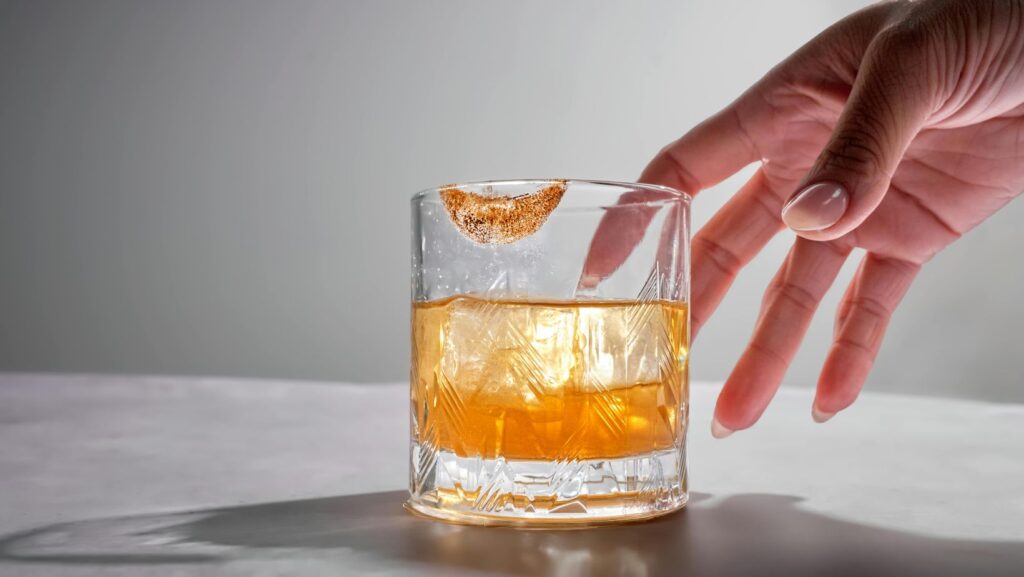
Open a bottle of good wine and pour it into an ordinary glass, then into a proper wine glass. The difference will be so obvious that many people experiencing this experiment for the first time are genuinely shocked. How can a simple change in vessel shape so radically transform the taste of the same beverage? Behind this phenomenon lies fundamental science about taste and aroma perception. Understanding these principles will help you make informed choices when purchasing bar supplies for home or establishment.
Anatomy of Perception: Tongue, Nose, and Brain Working Together
A common misconception is that we taste wine exclusively with our tongue. In reality, what we call “taste” is a complex combination of signals from several perception systems working synchronously.
The human tongue can distinguish only five basic tastes:
- sweet;
- sour;
- salty;
- bitter;
- umami.
All other richness of taste sensations is 80-90% the work of the olfactory system. When you drink wine, volatile aromatic compounds rise through the retronasal pathway connecting the back of the mouth to the nasal cavity. Quality wine contains from 800 to 1,200 different aromatic compounds. The shape of the glass directly affects which molecules and in what concentration reach your nose.
The mouth also perceives texture, temperature, and carbonation. The shape of the glass determines which part of the tongue first contacts the liquid. A narrow rim directs wine to the tip of the tongue (heightened sensitivity to sweetness), while a wide rim distributes it across the entire surface, creating a more balanced first impression.
Wide vs Narrow Glasses: Where the Aroma Goes
Glass geometry is a precise tool for managing flows of aromatic molecules. A wide bowl provides large evaporation area, while the narrowing neck works like a funnel, collecting rising vapors and directing them to the nose. The angle of narrowing is critical — premium wine glasses manufacturers conduct hundreds of tests to find the optimal degree for each type of wine.
Aromatic molecules have different molecular masses and evaporation rates. A narrow glass with small surface area slows overall evaporation, useful for delicate white wines. A wide glass accelerates the process — necessary for rich red wines with complex aromatic profiles that need to “open up.”
Red Wine: Why It Needs to “Breathe”
Red wines, especially young and tannic ones, need oxygen contact. This process triggers chemical reactions that soften tannin harshness and release hidden aromas. A glass with a wide bowl and large diameter provides maximum air contact. A typical Bordeaux glass has 600-750 ml volume but is filled only one-third.
The tall bowl of a Burgundy glass determines how wine enters the mouth. When tilting a wide glass, liquid flows slowly and smoothly, distributing across the tongue. This is especially important for high-acidity wines like Pinot Noir. Red wines are served at 16-18°C, and slight warming in a wide bowl makes them more rounded and drinkable.
White and Rose: Preserving Freshness and Coolness
White and rosé wines thrive on freshness, crisp acidity, and delicate floral-fruity aromas. The classic white wine glass has a narrower bowl and smaller overall volume — typically 350-450 ml. The reduced surface area slows evaporation and oxidation, preserving delicate aromas.
White wine served at optimal temperature 8-12°C stays cooler longer in a narrow glass. The narrow neck works like a focusing lens for subtle aromas. Floral notes of white wines are extremely volatile and would quickly disperse in a wide glass.
Sparkling Wines: The Secret of Long-Lasting Bubbles
The classic flute — a tall narrow glass — became the standard for champagne because its shape minimizes the surface area through which carbon dioxide can escape. Studies show that champagne in a wide coupe loses up to 80% of carbon dioxide in the first 5 minutes. In a flute, the same process takes 15-20 minutes.
Quality sparkling wine glasses have a microscopic engraving at the bottom — a nucleation point where bubbles form. This creates a beautiful continuous stream of bubbles (perlage) that can continue all evening.
Practical Conclusions: How to Apply Knowledge at Home
Understanding the science of glasses doesn’t mean you need a collection of 20 different shapes. Here’s a rational approach to choosing for home use.
Minimum Set for Beginners
For most wine lovers, three types of glasses are sufficient:
- Universal red wine glass (450-500 ml) — suitable for most reds, including Cabernet, Merlot, Syrah;
- White wine glass (350-400 ml) — handles Sauvignon Blanc, Pinot Grigio, young Chardonnay;
- Sparkling wine flute — essential if you drink champagne or prosecco at least occasionally.
Extended Set for Enthusiasts
If you drink wine regularly and want to maximize the potential of different varieties, consider adding:

- Burgundy glass (large round bowl) — for Pinot Noir and other delicate reds;
- Glass for aged Chardonnay or white Burgundy — slightly wider than standard;
- Dessert wine glass — if you appreciate ports or sauternes;
- Champagne tulip — if you drink aged sparkling wines.
Quality Criteria and Care
When choosing glasses, pay attention to transparency without distortions — the glass should be crystal clear. A thin rim is critically important, as a thick rim destroys the impression of good wine. Balance ensures stability — the glass should not tip over when filled. Solid construction is preferable — bowl and stem from one piece, without seams.
Proper care will extend the life of quality glasses for years. Wash glasses by hand with warm water immediately after use. Avoid detergents with strong odors — glass absorbs aromas. Dry with a lint-free towel or let air dry upside down. Store glasses vertically, don’t stack one inside another.
Wine glass shape is not snobbery or a marketing ploy. It’s applied perception science based on physics, chemistry, and neurobiology. The right glass won’t make bad wine good, but it will allow good wine to reveal its full potential. And now, understanding the mechanisms of this influence, you can make informed choices — whether purchasing a set for home or professionally equipping a bar. Investment in proper glasses pays off with every sip, transforming simple beverage consumption into a complete sensory experience.