
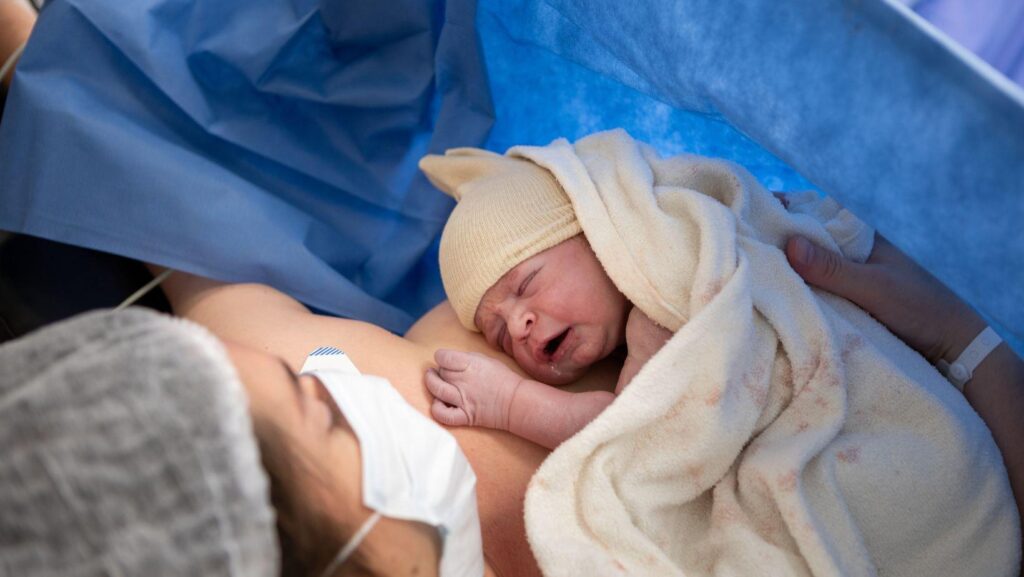
Childbirth can change quickly, even when labor begins without major concerns. Doctors, nurses, and other delivery team members must watch both the mother and baby closely for signs of distress. When a baby is not tolerating labor well, timing can become critical. A delayed response may allow oxygen loss, trauma, or other complications to continue longer than they should.
A C-section can sometimes be necessary when vaginal delivery becomes unsafe. If warning signs are missed or action is delayed, the baby may suffer preventable harm, including a serious brain injury. Families who believe a delivery delay contributed to their child’s condition may need guidance from a Chicago birth injury lawyer to understand what happened and whether the care met accepted medical standards.
Oxygen Loss Can Become Dangerous Quickly
One of the most serious concerns during labor is oxygen deprivation. A baby needs a steady oxygen supply before and during delivery. If that supply is reduced because of umbilical cord compression, placental problems, uterine rupture, prolonged labor, or maternal complications, the baby’s brain may be placed at risk. These problems may start suddenly, but the danger can grow the longer the baby remains in distress.
When oxygen loss continues, brain cells can become injured. The longer the baby remains in distress, the greater the danger may become. A timely C-section can sometimes prevent further harm by delivering the baby before oxygen deprivation causes lasting damage. Delays can make the outcome much worse, especially when warning signs are already present and the delivery team has reason to act quickly.
Fetal Monitoring Can Reveal Early Warning Signs
Fetal heart monitoring is often used during labor to track how the baby is responding to contractions. Certain heart rate patterns may suggest that the baby is struggling or not receiving enough oxygen. Repeated decelerations, abnormal variability, slow recovery after contractions, or other concerning patterns may require immediate attention.
These signs do not always mean an emergency C-section is required, but they should never be ignored. Doctors and nurses must interpret monitoring results carefully, communicate concerns clearly, and respond when patterns become more serious. If abnormal signs are dismissed, misunderstood, or not shared with the right provider, valuable time may be lost while the baby’s condition continues to decline.
Labor Complications Can Change the Delivery Plan
A delivery may begin with the goal of vaginal birth, but conditions can change. Labor may stop progressing, the baby may be positioned poorly, the mother may develop high blood pressure or bleeding, or the baby may begin showing signs of distress. When these problems arise, the delivery team must reassess whether continuing labor is still safe.
A delay can occur when providers wait too long to change the plan. In some cases, the warning signs may be present in the record, but the decision to move to surgery is postponed. When the baby is already under stress, even a short delay may increase the risk of brain injury or other serious harm. The question is often whether reasonable providers would have acted sooner.
Emergency C-Sections Require Fast Coordination
When a C-section becomes urgent, the hospital team must work quickly and efficiently. The doctor, nurses, anesthesiology staff, operating room team, and neonatal providers may all need to act together. Delays can happen if communication breaks down, if staff are not available, if the mother’s condition is not explained clearly, or if an operating room is not ready.
Hospitals should have procedures for handling emergencies during labor and delivery. When those procedures fail, the baby may remain in a dangerous situation longer than necessary. In a birth injury investigation, the timeline of when concerns appeared, when surgery was ordered, when preparations began, and when the baby was actually delivered may become very important.
Brain Injuries May Not Be Obvious at Birth
Some newborn brain injuries are recognized right away. A baby may have trouble breathing, poor muscle tone, seizures, abnormal reflexes, low Apgar scores, or need immediate resuscitation. These early signs may suggest that the baby experienced distress before or during delivery and may need close monitoring in the hours that follow.
In other cases, the full impact becomes clearer over time. A child may miss developmental milestones or later show movement problems, feeding difficulties, learning delays, vision concerns, or coordination issues. Conditions related to oxygen deprivation or delivery trauma may require imaging, neurological evaluations, therapy, medication, and long-term care. Families may not realize the seriousness of the injury until months or years later.
Medical Records Can Help Explain the Delay
Delivery records can provide important clues about whether a C-section should have happened sooner. Fetal monitoring strips, nursing notes, physician orders, anesthesia records, operating room logs, and newborn records may show when warning signs began and how the delivery team responded. These documents can help reconstruct the sequence of events with more detail than memory alone.
The timing matters because a birth injury claim often depends on whether providers acted reasonably under the circumstances. If the records show concerning fetal heart patterns, repeated distress, worsening labor complications, or communication gaps before action was taken, those details may help explain whether the delay contributed to the baby’s injury. Records may also reveal whether hospital policies were followed.
Families Deserve Clear Answers About the Future
A serious newborn brain injury can affect the child and family for years. The child may need physical therapy, occupational therapy, speech therapy, medication, mobility support, developmental evaluations, or specialist appointments. Parents may also need to adjust work schedules, home routines, transportation, and caregiving responsibilities while trying to understand what their child will need next.
Parents often leave a traumatic delivery with painful questions. They may wonder why a C-section was not performed sooner, whether warning signs were missed, or whether their baby’s outcome could have been different. Careful review of the medical records, fetal monitoring, hospital response, and newborn condition may help families understand whether medical negligence played a role and what steps may protect their child’s future.