
You are not alone if you are worried about your safety at home or about an older family member who lives alone. Accidents and sudden health complications may occur unexpectedly, and a delay in assistance may turn a small problem into a larger one.
According to recent findings from the CDC on older adult falls, falls remain one of the leading causes of injury among seniors. Medical alert systems by Life Assure eliminate such concerns by ensuring help is just a button press away.
This guide will provide you with information on how to compare free Life Assure medical alert services, what the term ‘free’ typically entails, and the features that should be considered most important.
Understanding “Free” Offers — What Really Matters?
The word ‘free’ is a buzzword used by many companies, and one should know which aspect of the offer is free. In most cases, the included device is free, while monitoring fees still apply.
When selecting any system, particularly when making a Life Assure medical alert free comparison, check the following:
- Is the device free, or is the monitoring free for a short time?
- Are there any activation, installation, or cancellation fees?
- Is there a contract, or can you cancel it at any time?
- Does it include add-ons such as fall detection?
By asking these questions at the beginning, you can prevent unexpected expenses in the future.
Characteristics to Compare in Medical Alert Systems
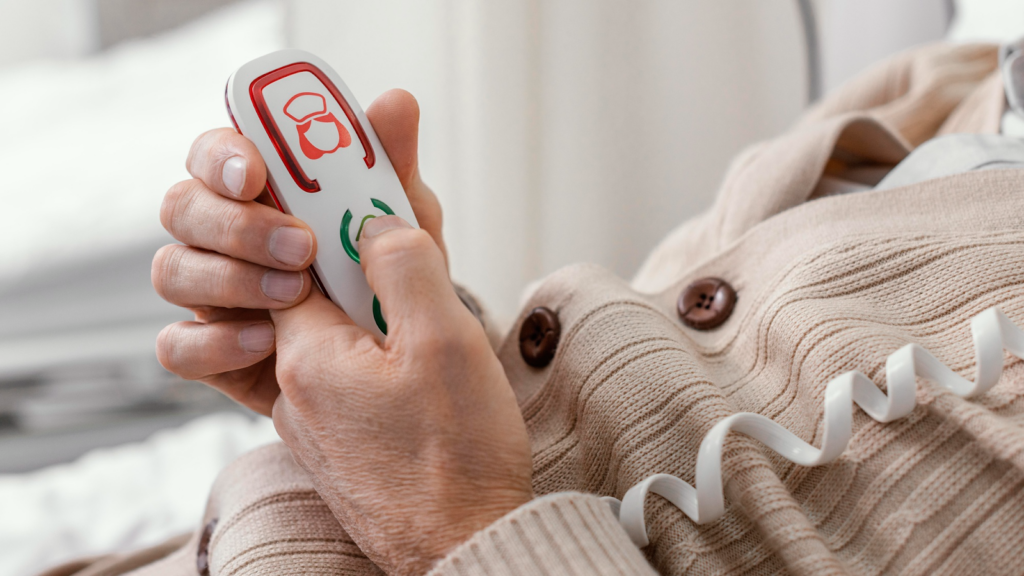
To identify a system that can support your safety requirements, pay attention to the following basic features:
- 24/7 Monitoring: You want trained people available day or night. Emergencies can become much less serious with a quick response.
- Fall Detection: Automatic fall detection is important in case you are at risk of falling. Alerts can help even when you are unable to press a button.
- Mobility (Home-based vs. Mobile): If you mostly stay at home, a landline or home-based system might be best. But, if you often go out (walks, errands, travel), you may prefer a mobile/wearable option with cellular or GPS connectivity.
- Signal Range & Connectivity: The wearable button can have a range of restrictions on home units. Mobile or cellular-based units work better outdoors, but you must ensure good cell or network coverage where you live.
- Battery Life & Ease of Use: Devices should be easy to wear or carry and offer reliable battery life. If the device is bulky or inconvenient, you may avoid using it.
- Transparency In Cost & No Hidden Fees: Make sure monthly monitoring, activation fees, fall-detection add-ons, equipment costs, and cancellation policies are clear.
- Extras (GPS, Water-resistant): Extras such as GPS or water-resistant will make sense, depending on whether you or your loved one is active or in solitude.
The Importance of Comparison: Real Risks and Benefits
Sudden falls are frequent in older adults, and timely aid may severely reduce the duration of hospitalization and the occurrence of prolonged complications. A trusted alert system provides you with freedom and comfort.
Nevertheless, a poor choice of solution may delay emergency assistance, such as a system that lacks fall detection or has inadequate coverage. This is the reason why it is crucial to compare systems.
How To Do Free Life Assure Medical Alert Comparison?
To make an informed decision, follow the following steps:
- Available Offers: List all the available offers that are labeled “free” and carefully read them.
- Comparison Chart: Prepare a chart with features mentioning monitoring, fall detection, mobility, hidden fees, monthly cost, contract terms, and extra features.
- Signal Coverage: Check the signal coverage for mobile devices, walk around your home or neighborhood to ensure cellular connectivity. For home-based systems, check the range (bedroom, bathroom, other rooms).
- Consider Your Lifestyle: A homebound senior does not need a GPS but could appreciate additional range, whereas an active senior is likely to appreciate wearable devices with GPS/fall detection.
- Check Cost Transparency and Contract Terms: This is important because it will tell you what a vendor is providing or what is an additional cost, and whether you can easily cancel or give the equipment back.
- Prioritize Safety Features: In case of fall risk or chronic health conditions, systems with good monitoring and fall detection capabilities should be chosen over cheap and low-feature systems.
- Read Actual User Reviews: Understand its reliability, false alarms, response times, and customer support quality. The actual world feedback tends to expose problems that are otherwise not evident in marketing.
Pitfalls To Avoid With Free Offers
- The device is free, but the monitoring costs are high
- Lack of fall detection or false alarm
- Poor cellular coverage
- Long-term contracts limit flexibility
- Cancellation charges
- Large buttons that are uncomfortable to wear
- Low range of home devices
User data from the Senior List’s medical alert statistics shows that fall detection and reliable coverage are among the most important factors for older adults. Avoiding these pitfalls ensures your alert system works when you need it most.
Conclusion
When comparing free medical alert systems similar to Life Assure, the focus should not solely be on finding the lowest price. Instead, prioritize the reliability of the system.
Look for high-quality monitoring, ease of use, effective fall detection, extensive coverage, and transparent pricing. When these elements align with your needs, you’ll have a system that genuinely offers protection rather than just promoting savings.