
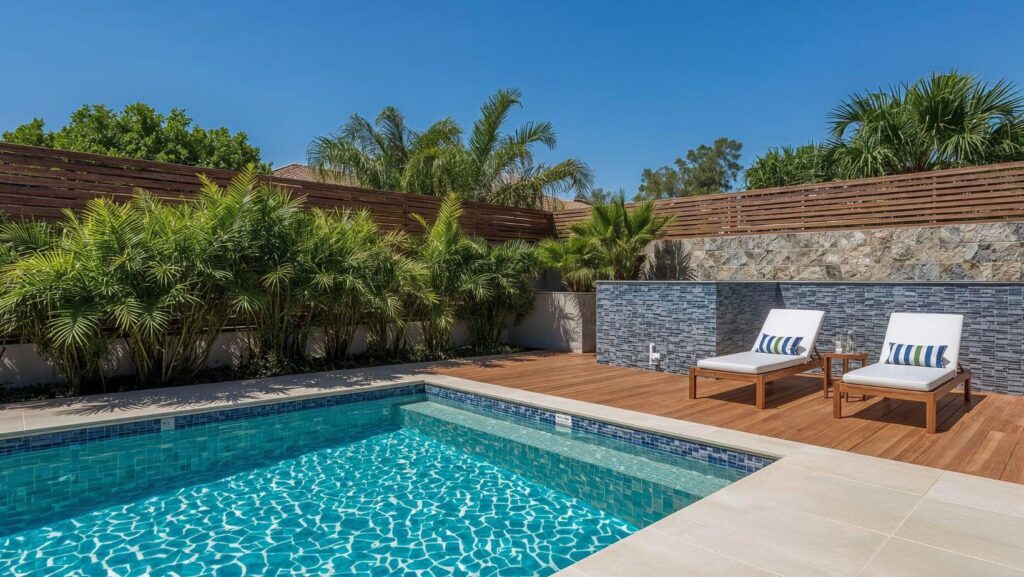
Outdoor decking can completely change how your garden or pool area feels. It turns unused space into somewhere you actually want to sit, relax, and spend time. Whether you have a small garden or a larger pool area, a well-designed deck makes everything more inviting and practical.
This guide will walk you through the basics in a clear and simple way, so you can understand what works and what to look out for.
Why Decking Makes a Big Difference
A garden or pool without structure can feel unfinished. Grass, paving, or tiles on their own often do not create a comfortable place to relax.
Decking fixes that.
First, it creates a defined space. You instantly have a clear area for seating, sun loungers, or even outdoor dining.
Next, it adds warmth. Wood or composite decking feels softer and more natural than stone or concrete. Around a pool, this makes a huge difference when walking barefoot.
Then, it improves usability. A level deck gives you a stable surface, which is especially helpful if your garden is uneven.
Finally, it simply looks good. A clean deck design can make even a basic garden feel more like a private retreat.
Choosing the Right Decking Material
Before you build anything, you need to choose your material. This decision affects how your deck looks, how long it lasts, and how much maintenance it needs.
Timber Decking
Timber is the classic choice. It has a natural look that blends well with plants and outdoor spaces.
Softwood options are more affordable, but they need regular treatment to protect against weather and moisture.
Hardwood lasts longer and looks premium, but it costs more upfront.
Timber can become slippery when wet, especially near pools, so adding anti-slip finishes is a smart move.
Composite Decking
Composite decking is made from a mix of wood fibres and recycled plastic.
It is popular because it requires very little maintenance. You do not need to sand, stain, or seal it regularly.
It also resists moisture better than timber, which makes it ideal for pool areas.
The main downside is cost. It is usually more expensive than softwood, but many people feel the lower maintenance makes up for it over time.
Tiles or Alternative Decking Systems
Some people use decking tiles or modular systems. These are easier to install and can be a good option for smaller areas.
They are not always as durable as full decking builds, but they can still work well for light use spaces.
Designing Your Deck Space
Once you have chosen your material, the next step is thinking about layout.
Start by asking how you want to use the space.
Do you want a place for sun loungers?
A shaded seating area?
A dining space for family meals?
Your answers will shape the design.
For pools, consider creating zones. For example:
- A dry seating area
- A wet zone close to the pool
- A walkway that connects everything
This keeps the space organised and easier to use.
Also think about levels. Slight changes in height can make your garden feel more interesting without making it complicated.
Safety Around Pools
Decking near water needs extra care.
First, always think about slip resistance. Look for materials or finishes designed to provide grip when wet.
Next, consider drainage. Water should not sit on the deck. Proper spacing between boards or slight slopes helps water run off.
Then, check edges and steps. These should be clearly visible and easy to use. Adding lighting can help, especially in the evening.
Finally, make sure the structure is solid. A poolside deck gets a lot of use, so it needs to be built properly.
Maintenance Made Simple
All decking needs some level of care, but how much depends on the material you choose.
Timber decking:
- Needs cleaning and sealing regularly
- May need sanding over time
- Should be checked for splinters or damage
Composite decking:
- Only needs occasional cleaning
- Does not require sealing
- Holds its colour better over time
No matter what you choose, keeping the surface clean will help it last longer and stay safe to use.
Small Touches That Make a Big Impact
Once your deck is in place, a few simple additions can improve the space even more.
Outdoor lighting creates a relaxed atmosphere and makes the area usable in the evening.
Built-in seating saves space and keeps the design tidy.
Planters or greenery soften the look and help the deck blend into the garden.
Shade options like umbrellas or pergolas make the space more comfortable during hot days.
These details do not need to be complicated, but they make a noticeable difference.
Final Thoughts
Outdoor decking is one of the easiest ways to upgrade a garden or pool area.
It gives you a space that is comfortable, practical, and enjoyable to use every day.
Start with the basics. Choose the right material. Plan how you will use the space. Make safety a priority, especially near water.
Then build something that fits your lifestyle.
A good deck is not about being perfect. It is about creating a space where you actually want to spend time.