
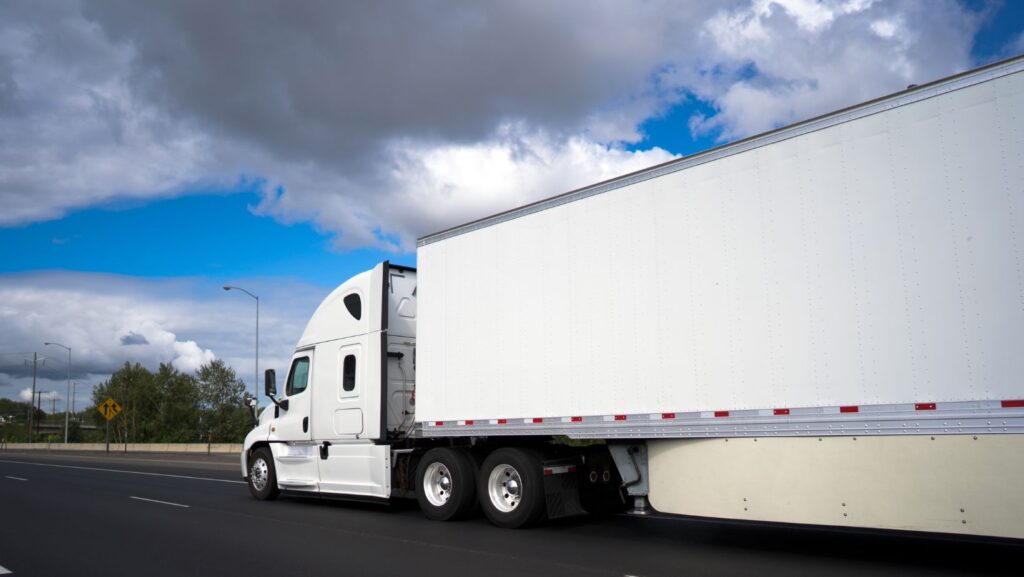
The operation of a heavy commercial vehicle requires a high level of technical skill and a deep understanding of the laws of physics on the open road. Unlike a standard passenger car, an articulated truck consists of two separate components that are joined by a single pivot point known as the fifth wheel. This design allows for the flexibility needed to navigate tight turns but also introduces a unique set of mechanical risks for the driver.
Instability can occur in a matter of seconds when the movement of the trailer becomes out of sync with the path of the tractor cabin. When the trailer begins to slide or push against the cab, the driver often has very little time to correct the steering before the vehicle folds in on itself. This loss of control is one of the most terrifying and dangerous scenarios that can happen on a busy highway today.
Jackknife accidents are a significant concern for safety experts because they often result in catastrophic damage to multiple vehicles and the surrounding infrastructure. This mechanical failure represents a total breakdown of the stability systems that are intended to keep heavy loads moving safely in a straight line. Understanding the causes of these events is essential for developing better training and technology to protect everyone on the path.
The Physics of Trailer Momentum and Pivot Points
The primary cause of a trailer swinging out of alignment is the relationship between the momentum of the cargo and the traction of the tires on the pavement. In a standard driving scenario, the tractor pulls the trailer along a predictable path where the forces are balanced and controlled by the operator. However, if the cab slows down too quickly while the trailer keeps its original speed, the physics of the situation shift.
The fifth wheel acts as a pivot point that allows the trailer to rotate independently of the tractor during a turn or a lane change on the highway. If the rear wheels of the tractor lose their grip, the momentum of the heavy trailer will begin to push the back of the cab to one side or the other. This rotation can continue until the side of the trailer actually strikes the side of the tractor in a folding motion.
Once the angle between the two components exceeds a certain degree, it becomes physically impossible for the driver to regain control through steering alone. The weight of the load takes over and dictates the path of the entire rig until it eventually comes to a complete and violent stop. Precision in braking and acceleration is the only way to prevent this dangerous transfer of energy from happening during a trip.
How Improper Braking on Slick Roads Triggers Failure
The condition of the road surface plays a major role in whether a truck can maintain its stability during a sudden stop or a sharp turn in the mountains. Rain, ice, and even loose gravel significantly reduce the friction between the rubber tires and the pavement for every vehicle on the path. This lack of traction is often the primary trigger for a total loss of control for a heavy commercial rig.
Improper braking techniques can cause the drive wheels of the tractor to lock up, which immediately eliminates the steering authority of the driver. When these wheels stop spinning, they act like a slide on the ice rather than a stable anchor for the heavy trailer pushing from behind. This mechanical lock is the first step in a chain reaction that leads to a sudden and unavoidable folding of the vehicle.
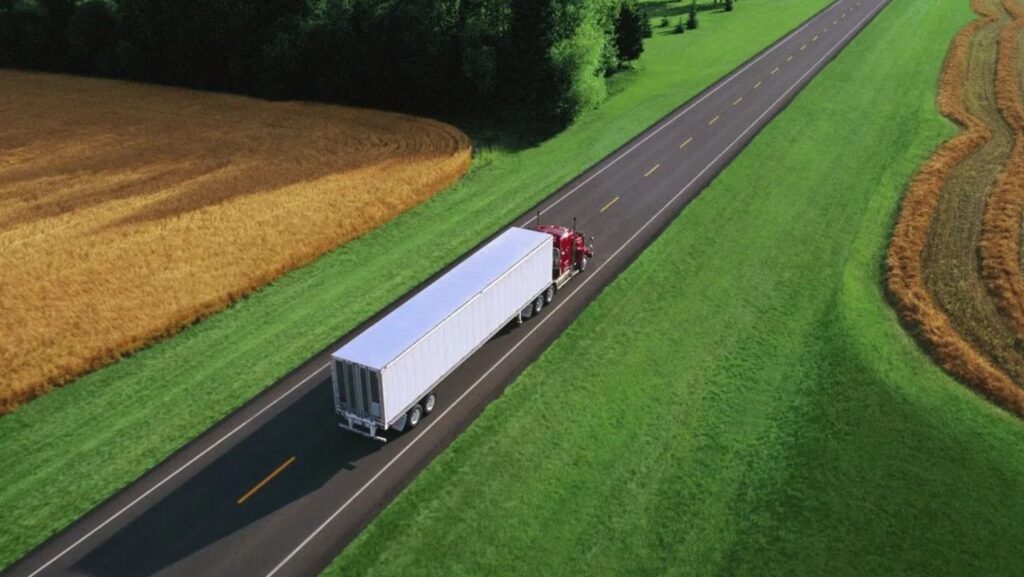
Modern anti lock braking systems are designed to prevent this lock up by pulsing the pressure to the wheels thousands of times per second during an emergency. However, even the best technology has physical limits when the road is covered in a deep layer of slush or standing water. Drivers must be trained to use their engine brakes and their foot pedals with absolute care to keep the rig balanced and safe.
The Role of Uneven Cargo Loading and Center of Gravity
The way a trailer is loaded at the warehouse has a direct impact on how it will behave when it is moving at highway speeds across the state. If the weight is concentrated too far toward the back, it can cause the trailer to sway back and forth in a motion known as fish tailing. This swaying puts an immense amount of stress on the pivot point and can eventually lead to a total loss of control.
An uneven distribution of weight also shifts the center of gravity in a way that makes the trailer much more prone to tipping or sliding during a turn. If the load shifts suddenly inside the trailer, it can create a surge of momentum that the driver cannot counteract with steering or braking. Proper securement of the cargo is a fundamental part of the safety protocol for every commercial trucking operation today.
Light or empty trailers are actually more susceptible to certain types of instability because they lack the downward force needed to keep the tires firmly planted on the road. Without enough weight, a strong gust of wind or a minor bump can cause the trailer to bounce or slide out of its proper lane. Balancing the load is a science that requires a high level of attention to detail before the truck ever leaves the lot.
Widespread Damage Across Multiple Lanes of Traffic
When a large truck loses control and begins to fold, it often sweeps across several lanes of traffic like a massive steel gate. This wide path of destruction makes it nearly impossible for other drivers to avoid a collision even if they are paying close attention to the road. The size and the weight of the rig turn a single vehicle failure into a major multi car pileup.
The resulting wreckage can block a major interstate for many hours as emergency crews work to clear the heavy debris and the fuel spills from the scene. Because of the size of the components, specialized heavy duty tow trucks are required to move the tractor and the trailer back into an upright position. This disruption impacts the local economy and the safety of the entire transportation network for the region.
Other drivers are often caught in the secondary impacts that occur when they swerve to avoid the folding truck and strike other vehicles or barriers. The chaos of a high speed crash in a crowded area creates a ripple effect of trauma and damage that touches many families at once. Managing the scale of these events is a primary goal for every state and local highway safety agency.
Conclusion
Summarizing the causes of these dangerous events shows that a combination of physics, weather, and human choice leads to a loss of control. Preventing a catastrophe on the road requires a dedicated focus on the maintenance of the vehicle and the continuous training of the driver. Safety is a shared responsibility that depends on the integrity of the equipment and the skill of the operator.
Preventive measures like electronic stability control and advanced braking systems provide a vital safety net for those who operate heavy loads on a daily basis. By investing in better technology and stricter loading protocols, we can significantly reduce the risks associated with articulated vehicles. A proactive approach to road safety ensures that the highway remains a reliable and secure place for every traveler.
The final result of a safer trucking industry is a reduction in the number of violent crashes and a more stable environment for all road users. Taking the time to do things correctly today ensures that the freight moves across the country without putting the lives of others in danger. High standards in training and compliance lead to a future where the roads are safe, dry, and completely secure for everyone.