
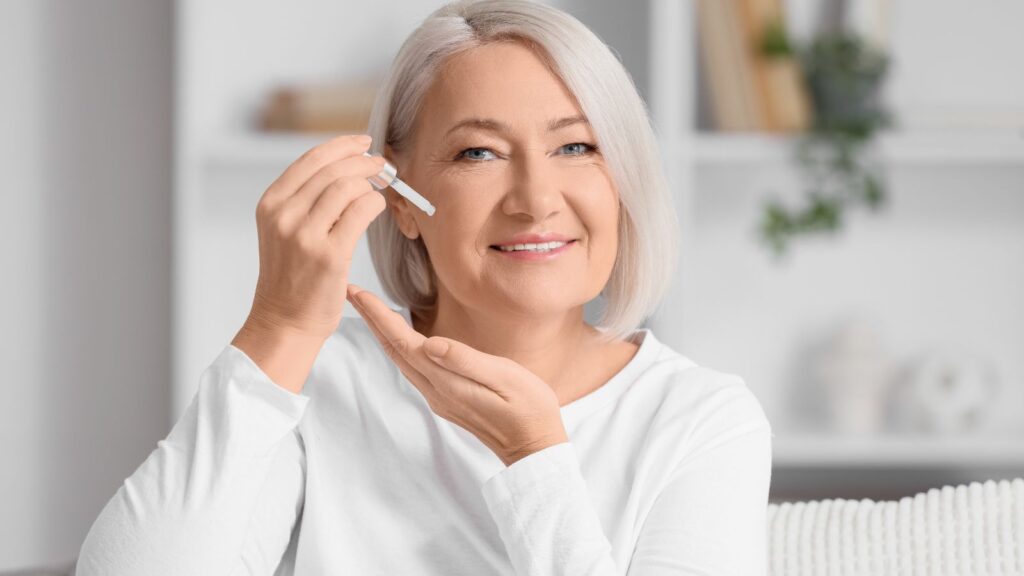
Why Peptides Are Becoming a Quiet Trend
Skin care can feel like a never-ending cycle: one day it’s serums, the next it’s masks, then oils. Yet, some ingredients slowly gain recognition without much noise. Peptides are one of those. Tiny chains of amino acids that communicate directly with skin cells. No instant miracles, no flashy claims. Just subtle guidance that works over time.
Peptides can prompt the skin to produce more collagen, improve firmness, reduce irritation, or support hydration. Unlike creams that coat the skin, peptides signal cells to take action themselves. Small, almost imperceptible nudges, but cumulative results that become noticeable over weeks.
How Peptides Interact With Skin
At the cellular level, peptides bind to specific receptors. Think of it as passing a note to a skin cell. The cell reads the note and acts: repairing damage, boosting collagen, or calming inflammation. It’s gentle. There’s no harsh forcing of results. Over time, repeated signals shape a skin texture that looks healthier, smoother, and more resilient.
- Collagen-boosting peptides improve firmness and elasticity
- Repair peptides soothe stressed or irritated areas
- Signal peptides guide cellular responses to external stress
The changes are subtle. Smoother texture, softening of fine lines, gentle lifting. It’s not dramatic at first glance, but when you notice, it’s undeniable.
Choosing the Right Peptides
Not all peptides are the same. Some focus on hydration, others on repair, others still on firmness. Understanding what your skin needs can make a significant difference. For practical guidance and exploration of available options, resources on skin regenerative peptides provide detailed insights without overwhelming technical jargon.
How to Incorporate Peptides Into a Routine
Consistency is more important than intensity. Apply after cleansing but before heavier creams or oils. Morning or night, the key is repetition, not overuse. Too much doesn’t speed up results. Patience is where the payoff lies.
Noticeable improvements take time. Fine lines soften. Skin tone evens out. Hydration feels better. The skin subtly strengthens itself, responding to cues provided by peptides.
Beyond the Surface
Some people combine peptides with antioxidants or hyaluronic acid. This isn’t mandatory, but pairing complementary ingredients can improve results. Peptides set the tone, while other ingredients support hydration, protection, and repair. Over weeks, skin gradually feels more supple and balanced.
Tips for Maximizing Effects
- Introduce peptides gradually to observe tolerance
- Pair with a hydrating product to aid delivery
- Avoid expecting instant results; change is incremental
Peptides are like quiet instructors for your skin. They don’t shout. They guide. Day by day, your skin responds with more resilience, subtle firmness, and a natural glow that isn’t forced but earned.