
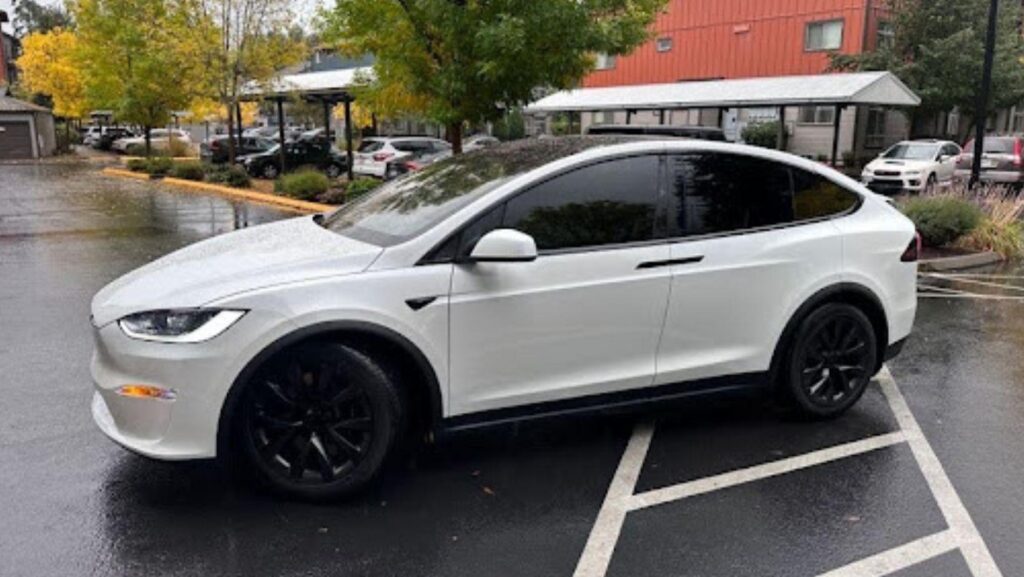
The intricacies surrounding window tinting laws are a topic of great importance for vehicle owners worldwide, affecting decisions related to vehicle aesthetics, safety, and compliance. Proper understanding of these regulations is essential, as there are legal ramifications for non-compliance that can often result in fines and the requirement to remove any illegal tint.
The Purpose Behind Tinting Regulations
Tinting regulations primarily exist to ensure safety on the roads. Tinting your windows can provide comfort and privacy, reduce glare from sunlight, and protect the interior of the vehicle from UV damage. However, when windows are too darkly tinted, it can pose serious safety risks—most notably by obstructing a driver’s view or preventing eye contact with other drivers or pedestrians, which is often necessary in unpredictable scenarios.
Standard Tinting Levels
Most jurisdictions specify a permissible Visible Light Transmission (VLT) percentage for different windows of a vehicle. This percentage refers to the amount of light that can pass through the window and film. For example, front-side windows might require a higher VLT than rear-side windows. It’s common for regulations to mandate around 70% VLT for front-side windows, meaning that only 30% of the light can be blocked by the tint. Rear windows often have more lenient requirements.
Enforcement and Penalties
Enforcing window tinting laws typically involves roadside checks conducted by law enforcement officers. These checks may involve using a photometer device to gauge the VLT of the windows. If a vehicle’s tint does not meet the legal criteria, the driver can face a remedial order, fines, and potentially points on their driving licence. Emphasising the importance of staying informed is crucial, as modifications must comply not only with local laws but also with those of regions one might be travelling through.
Exceptions and Exemptions
While general rules exist, some exceptions might apply. Medical exemptions can be sought by individuals with conditions aggravated by sunlight exposure, such as lupus or certain skin conditions. There are specific processes to follow, often requiring official documentation from a healthcare professional, which allow for a higher degree of tint to be legally applied.
Influence on Tint Colour and Reflectivity
Beyond simple darkness levels, regulations can dictate the colour and reflectivity of the tint. For instance, metallic or mirrored tints might be restricted due to their potential to distract other drivers. Service vehicles such as taxis and police cars might have more specialised regulations due to their operational needs, but these are seldom applicable to private vehicles.
Regulating Bodies and Law Evolution
The exact wording of window tinting laws is formulated by transport departments and vehicle safety authorities in respective regions. These regulations evolve, incorporating advancements in tint technology and vehicular design. Staying up-to-date with any changes is essential for manufacturers, installers, and vehicle owners to ensure ongoing compliance.
Industry Impact and Compliance
The auto industry plays a significant role in compliance, as manufacturers often sell vehicles with pre-installed tints. Car dealerships and tinting service providers must maintain detailed knowledge of current laws to prevent selling vehicles with illegal tints. Educating consumers and transparent communication about legal limitations is crucial.
Public Awareness Campaigns
Many regions conduct public awareness campaigns to promote compliance with window tinting regulations. These campaigns often use media, informational brochures, and online resources to highlight the importance of adherence to the law. Ensuring that drivers are fully informed can dramatically reduce instances of non-compliance and promote safety.
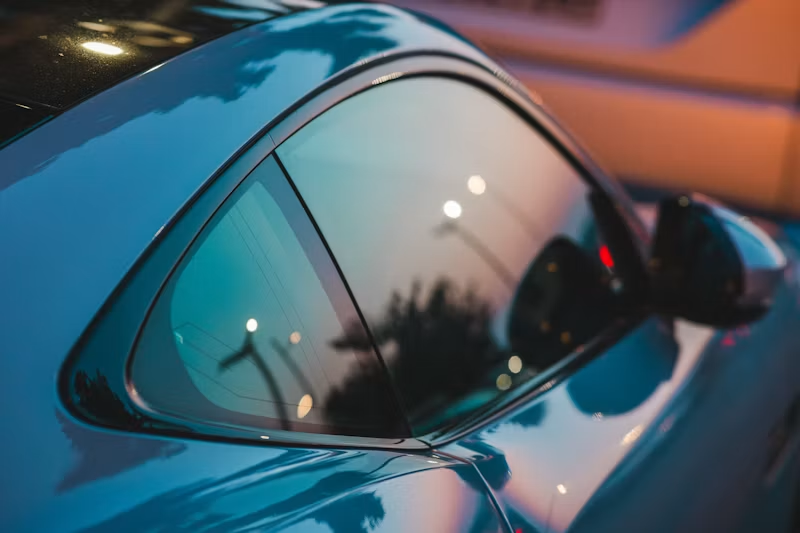
Using Standards from Other Regions
In an increasingly globalised world, many regions look to the standards set by others. This can involve adopting certain VLT percentages seen as effective in improving road safety or responding to international research on the impact of different levels of tint on driver response times and accident rates.
Window Tinting in Different Vehicle Types
Different vehicle types often have varied regulations. For instance, passenger cars usually face stricter requirements compared to larger vehicles like SUVs and buses. These variations acknowledge the different ways in which these vehicles interact with traffic and the environments they commonly operate within.
Technological Advances in Tinting
The technology behind window tinting is continually progressing, introducing films with advanced properties such as heat rejection, UV filtering without significant darkening, and smart tints that adjust based on environmental light conditions. These innovations challenge regulatory bodies to continually assess and adjust laws to accommodate both safety and technological potential.
Legal Advice and Resources
Understanding the legal framework surrounding tinting can be complex and varies widely from one place to another. Those seeking comprehensive guidance are advised to consult legal experts or refer to reliable resources—one such being window tinting laws, which can offer detailed insights tailored to specific regions and typologies of films and their legality.
Conclusion
Being well-informed about the legal intricacies of window tinting is crucial for all vehicle owners. Compliance ensures not only the minimisation of safety risks but also avoidance of unnecessary legal troubles. Adequate education and alignment with current laws benefit everyone on the road.